
24-Hour Arrival Guarantee
Get Fast Aircond Service, WhatsApp Us And Book In Just 5 Minutes

Professional Service
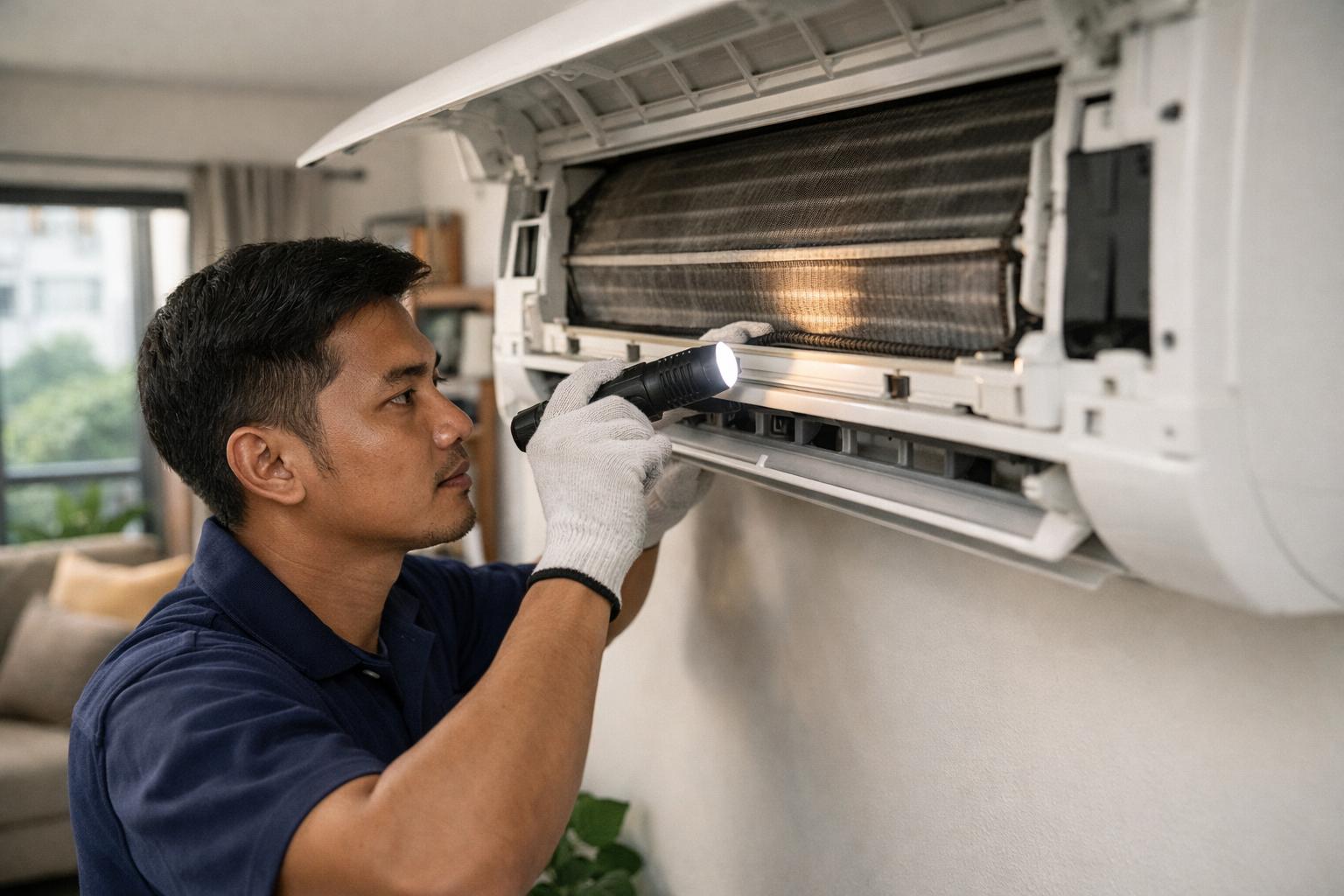
CIDB Certified Technicians

No Hidden Costs
Clear Transparent Pricing

Cheapest Aircond Service
Insanely Iow Prices For Aircond Installation And Servicing In Malaysia
Guaranteed Arrival Within 24 Hours!
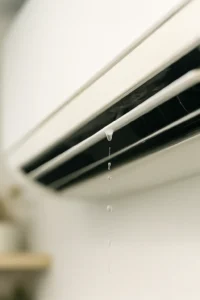
Aircond Leaking Water
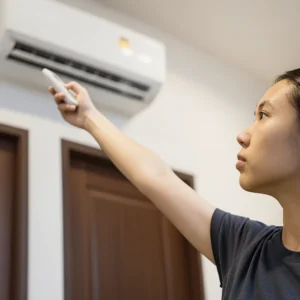
Aircond Is Running But Not Cold
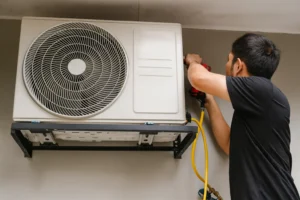
Noisy Compressor, Not Running
Not Cold? Get the Cheapest Aircond Installation & Aircond Service in Malaysia!
The most value-for-money aircond installation and servicing in Malaysia. 4-Hour Express Service.
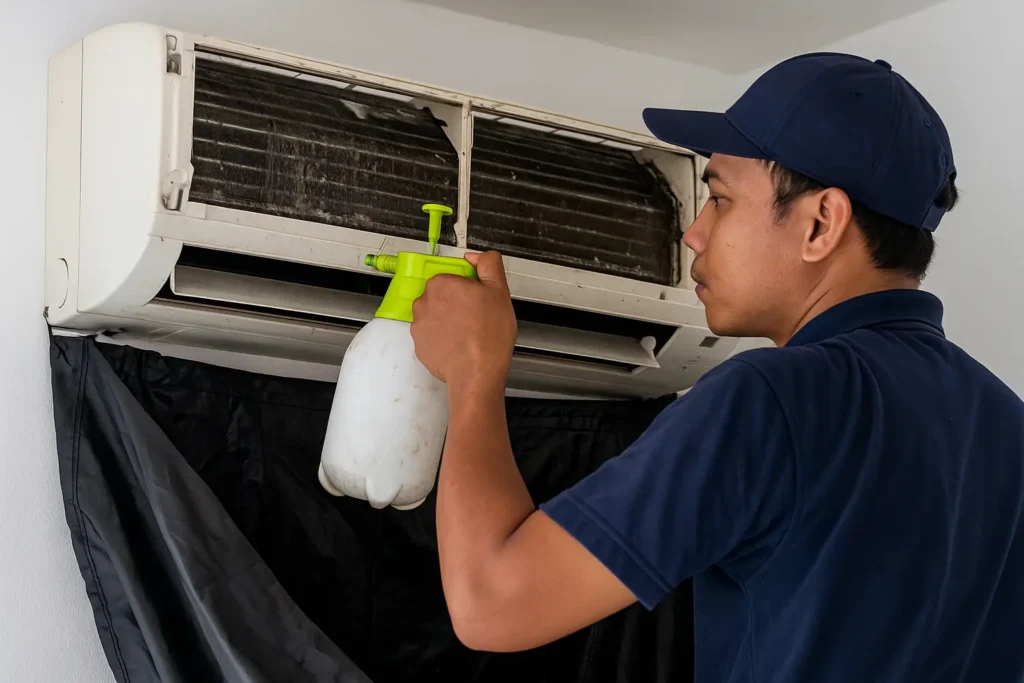
Aircond Service Malaysia
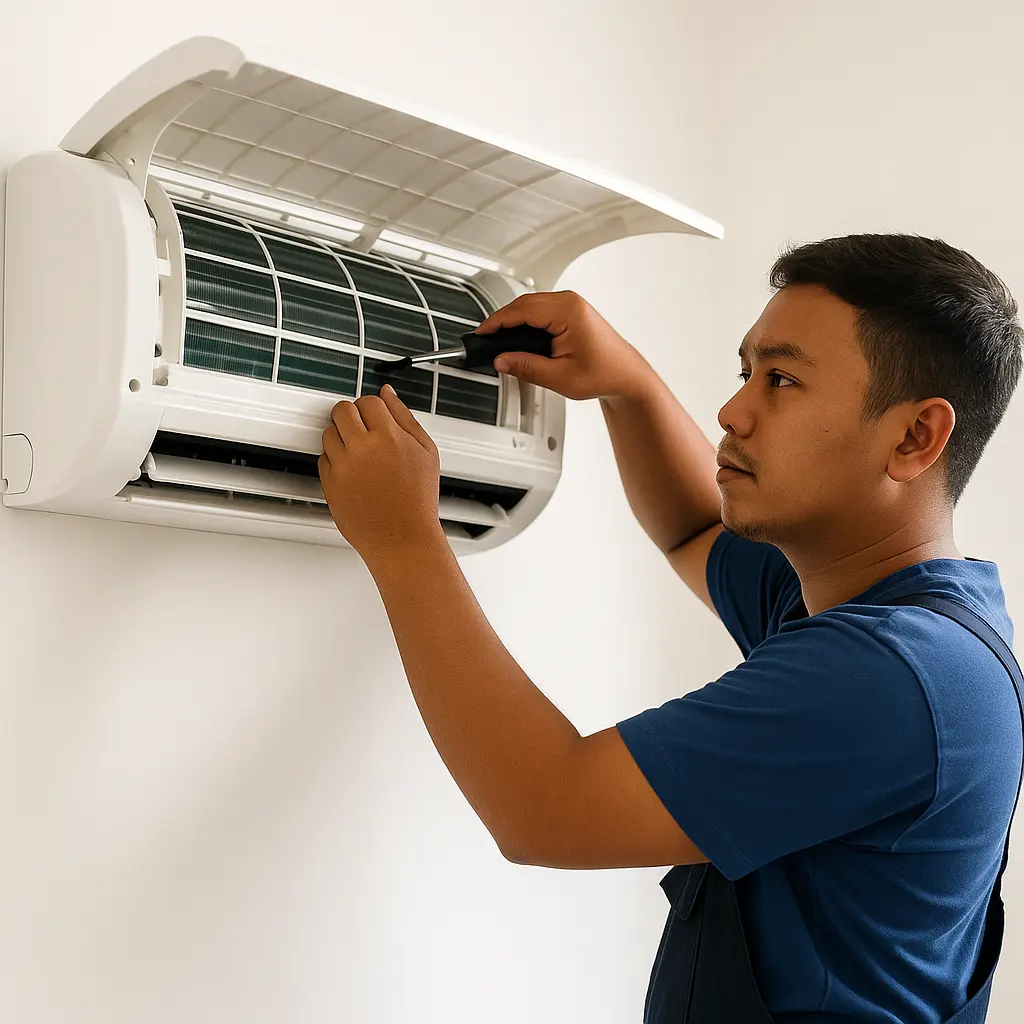
Aircond Installation Malaysia
Free 10 feet of copper pipe
Other Aircond Services Malaysia
4-Hour Express Aircond Installation & Service Malaysia. Same-day service available
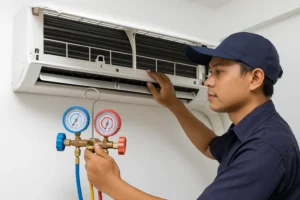
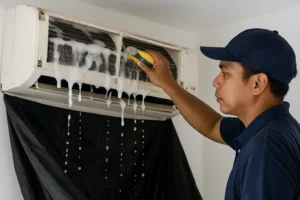
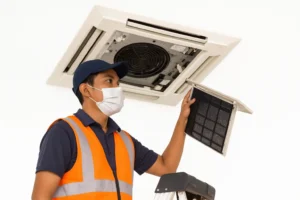
Best Time to Service Your Aircond in Malaysia
Direct answer
In Malaysia, the best time to service your aircond is before your heavy-use periods—usually before hotter stretches and again after long continuous use. If your unit runs nightly (common in condos), has pets, or your home recently had renovation dust, you’ll benefit from a tighter servicing schedule.
Quick answer
If you use aircond most nights, don’t wait for it to “die first.” Timing is less about calendar dates and more about runtime, environment, and symptoms.
A practical rule: service earlier when you expect heavy use (heat waves, guests staying over, work-from-home weeks), and service immediately when you notice cooling drop, smells, or leaking.
Soft CTA near top
If you share your home type and roughly how many hours/day you run the unit, we can suggest a realistic maintenance frequency and whether you’re due for normal service or something deeper. WhatsApp or call for a quick check—no pressure, just clarity.
Why local Malaysia experience matters
Malaysia aircond issues aren’t generic. Humidity, sudden rain weeks, haze episodes, and condo living patterns change how fast a coil gets dirty and how often drainage issues show up.
A local operator also knows real constraints: condo access rules, outdoor ledge units, tight service yards in landed homes, pets shedding into filters, and renovation dust that clogs coils faster than people expect.
Service overview
Aircond servicing is routine maintenance to keep cooling steady, reduce smells, prevent water dripping, and spot small issues before they turn into a breakdown. See what a proper service covers if you want to compare what’s typically included vs what’s optional before you book.
This page is for you if you run aircond most nights or many hours daily, you’re unsure how often to service in Malaysia, you want to time servicing around heat/rain/haze/renovation, or you’re deciding chemical wash vs normal service timing.
Types of services
Normal service
Routine cleaning and basic checks. Best for regular timing and prevention.
Chemical wash (when needed)
A deeper clean when there’s heavy buildup or persistent issues like cooling drop, musty smell, or repeated leaking even after normal service.
Step-by-step process
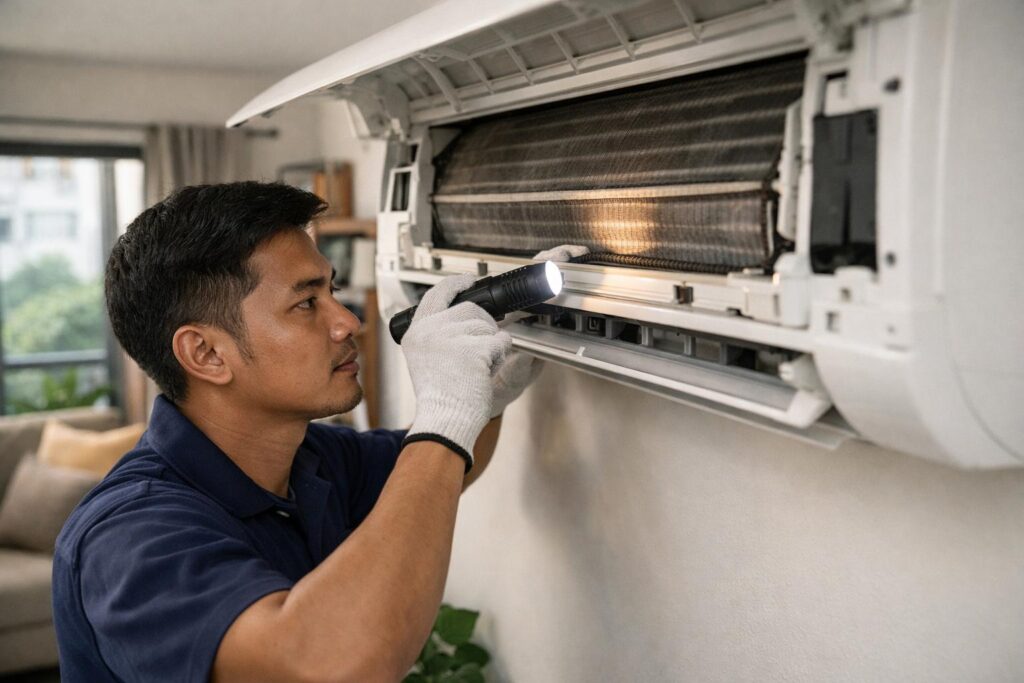
- Quick questions first: home type, unit type (inverter or not), usage hours/day, symptoms.
- On-site checks: airflow, cooling feel, drainage condition, visible coil cleanliness, basic operation checks.
- Decide service type: normal service if routine; deeper cleaning if buildup/symptoms point to it.
- Verify after: confirm cooling improves, smell reduces, drainage is stable.
What’s included / not included
Usually included
- Filter cleaning and basic indoor unit cleaning
- Basic drainage check (to reduce dripping risk)
- Visual inspection of common problem areas
- Basic operation check (airflow and cooling feel)
Usually not included (varies by situation)
- Major part replacement (only if diagnosed)
- Extensive repairs for electrical faults
- Deep chemical wash unless clearly needed
- Special access equipment for difficult outdoor units (depends on site)
Frequency and best practice guidance in Malaysia
The simple baseline
- Light use: usually less frequent, but long gaps still allow dust buildup.
- Normal family use: a steady schedule works best.
- Heavy use: plan more frequent maintenance, especially if you run it nightly plus daytime.
Seasonal cues for “best month to service aircond”
Instead of one magic month, use triggers:
- Service aircond before hot season when you expect heavy use.
- Service after long continuous use (weeks of heavy runtime).
- Service aircond before haze season if you’re sensitive to dust/smells or you run it often.
- Service after renovation or dusty work because dust clogs coils and drains quickly.
Scenario Matrix
Condo
Best timing: before long hot spells, and after 2–3 months of nightly heavy use.
Watch-outs: musty smell, weak airflow, water dripping (drain issues show up fast).
Practical tip: plan around parking/lift booking/security so the job isn’t rushed.
Landed home
Best timing: after rainy weeks (humidity stays high) and after yard work/renovation dust.
Watch-outs: pets increase filter load—expect to service more often.
Practical tip: if you have multiple units, rotate servicing so you don’t discover problems during peak heat week.
Office or shoplot
Best timing: before high-demand periods and whenever airflow drops.
Watch-outs: long daily runtime; complaints spike during busy periods.
Practical tip: proactive servicing helps avoid downtime.
Rental unit
Best timing: right after moving in or before new tenants.
Watch-outs: unknown history makes waiting risky.
Practical tip: start fresh, check condition, and set a schedule based on actual usage.
Cost factors and what a fair quote includes
What usually affects cost (no exact prices)
- Number of units and system type
- Dirt level and whether deeper cleaning is needed
- Accessibility (condo rules, outdoor ledge placement, height constraints)
- Symptoms present (leaking, smell, not cold) that require extra checks
What a fair quote usually includes (checklist)
- Clear scope: normal service vs deeper cleaning explained simply
- What’s included and excluded (no vague “package” confusion)
- Access constraints noted upfront
- Basic findings shared after service (no heavy jargon)
- A realistic next-service timing recommendation based on your usage
Common problems and what usually helps
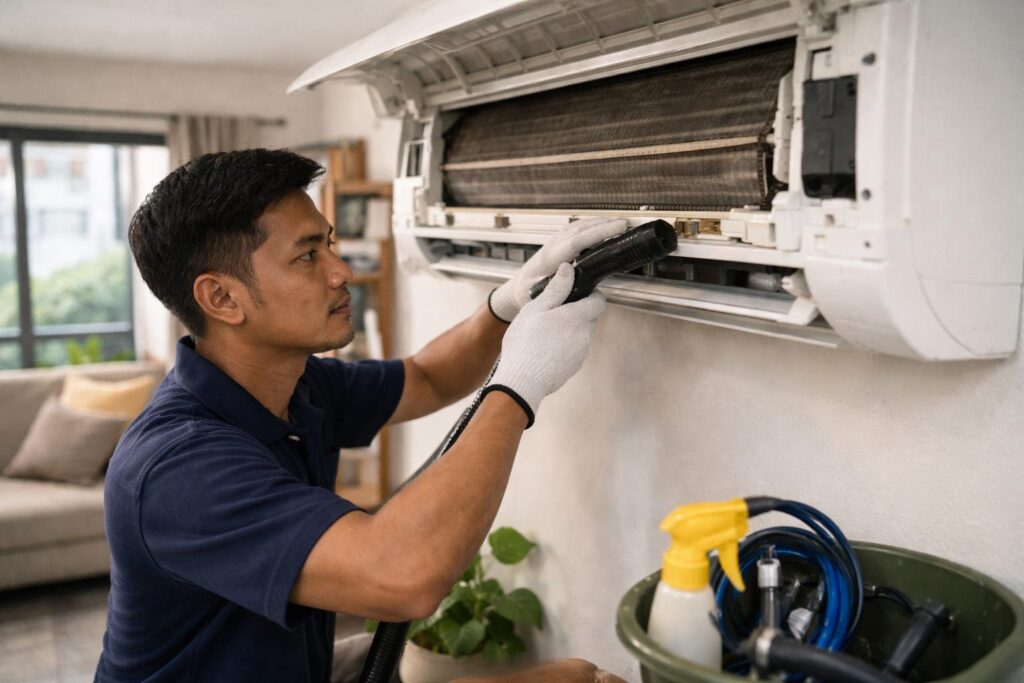
Aircond not cold after long use
Often linked to dirty coils, restricted airflow, or gradual performance drop. Normal servicing often helps. If it doesn’t, you may need deeper cleaning or a proper diagnosis rather than guessing.
Aircond leaking water
Commonly drainage-related: partial blockage, wrong slope, or buildup. A proper service with a drainage check usually reduces repeat leaking.
Musty smell aircond
Humidity keeps parts damp and smell builds up. Cleaning and drainage improvement helps. If it returns quickly, deeper cleaning may be needed.
Weak airflow even at high fan
Filters or coil buildup are common causes. Don’t delay—airflow issues worsen during heavy-use periods.
New or louder noises
Could be vibration, looseness, or fan issues. Better to check early before it turns into a breakdown.
Mistakes to avoid
- Booking only during peak heat week (everyone rushes then)
- Assuming “no leak = no problem” while cooling slowly drops
- Repeating normal service when symptoms suggest deeper cleaning is overdue
- Ignoring lifestyle changes (new pet, baby sleeping with aircond, more WFH)
- Not preparing condo access/parking (causes rushed servicing)
Pre and post checklist
Before you book (2 minutes)
- Property type: condo / landed / office / rental
- Units: how many + which rooms
- Usage: hours/day (mostly night or day)
- Symptoms: not cold / leaking water / musty smell / weak airflow / noise / none
After servicing (same day)
- Test cooling feel after 15–30 minutes
- Confirm no dripping from indoor unit
- Smell check: musty smell should reduce
- Ask for next timing recommendation based on your usage (not a generic line)
FAQs
The best time is before performance drops—when airflow starts to feel weaker, the filter looks dusty faster than usual, or a mild musty smell appears. In Malaysia’s humidity and dust patterns, waiting until it “isn’t cold” often means the buildup is already heavier and the fix is more involved.
Yes. A unit can still feel cold while airflow is slowly getting restricted. That “still cold but slower” stage is often the ideal time to service because basic maintenance restores airflow and helps prevent bigger issues later.
It varies by usage and environment. Daily/nightly use, pets, roadside dust, condo corridor dust, and post-renovation dust usually require more frequent servicing than occasional use. A practical approach is to set a baseline interval and tighten it when dust or smell shows up sooner.
Nightly-use bedrooms typically need a predictable schedule, then adjust earlier if filters clog quickly, airflow weakens, or smell appears at startup. The “best time” is when early drift starts—not when the unit fails.
Either can be fine. In Malaysia, rainy periods may increase musty smell/drainage-related issues, while hotter periods make performance drift more obvious. Choose the season less; follow early signs more.
Condo units often face corridor dust, constant runtime, and humid conditions. Even with windows closed, filters can load up quickly, and airflow can drop before cooling feels “bad.”
Sooner than normal. Fine renovation dust can pack into filters and coils quickly and trigger smell or weak airflow. An earlier servicing cycle after dusty phases helps prevent persistent issues.
Usually it points to filter loading or light internal buildup. Basic servicing and a performance check often fix it early. Waiting can lead to longer cooling time and higher strain.
Not always. Start with basic servicing + drainage checks. If the smell returns quickly or is persistent, then a deeper clean/chemical wash may be justified—depending on where the odor is coming from.
Not automatically. Weak cooling can come from dirty coils, restricted airflow, drainage/icing behavior, blower issues, sensor problems, or refrigerant leaks. A proper service should explain checks before recommending refrigerant work.
Filter cleaning, light cleaning of accessible indoor areas, drainage tray/line checks, a basic outdoor unit check (when accessible), and a run test with a simple findings summary. Scope varies by unit type and access constraints.
Avoid vague “packages.” Ask for a clear scope: what’s included, what’s optional, and what’s excluded. A fair visit should include a run test and a simple findings report—not default upsells like gas top-up or chemical wash without reasons.