
24-Hour Arrival Guarantee
Get Fast Aircond Service, WhatsApp Us And Book In Just 5 Minutes

Professional Service
CIDB Certified Technicians

No Hidden Costs
Clear Transparent Pricing

Cheapest Aircond Service
Insanely Iow Prices For Aircond Installation And Servicing In Malaysia
Guaranteed Arrival Within 24 Hours!
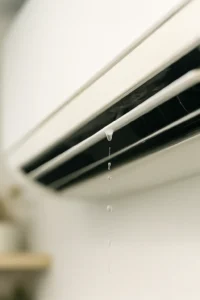
Aircond Leaking Water
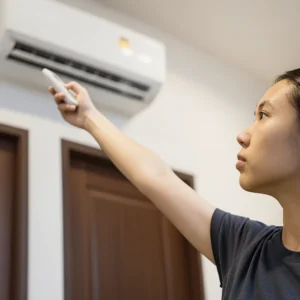
Aircond Is Running But Not Cold
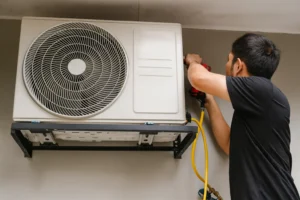
Noisy Compressor, Not Running
Not Cold? Get the Cheapest Aircond Installation & Aircond Service in Malaysia!
The most value-for-money aircond installation and servicing in Malaysia. 4-Hour Express Service.
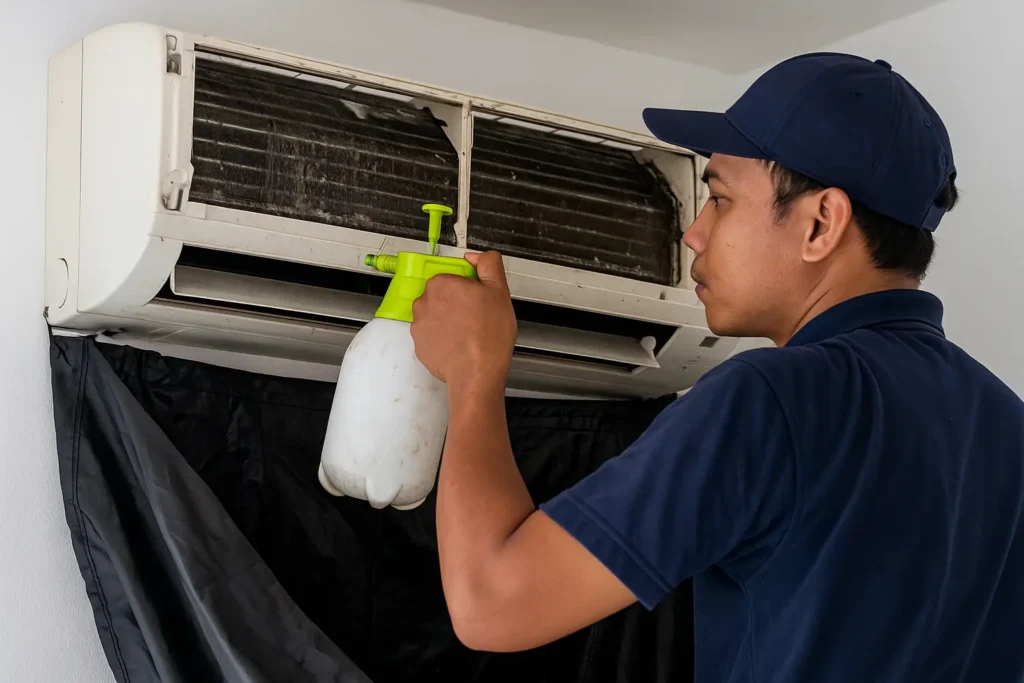
Aircond Service Malaysia
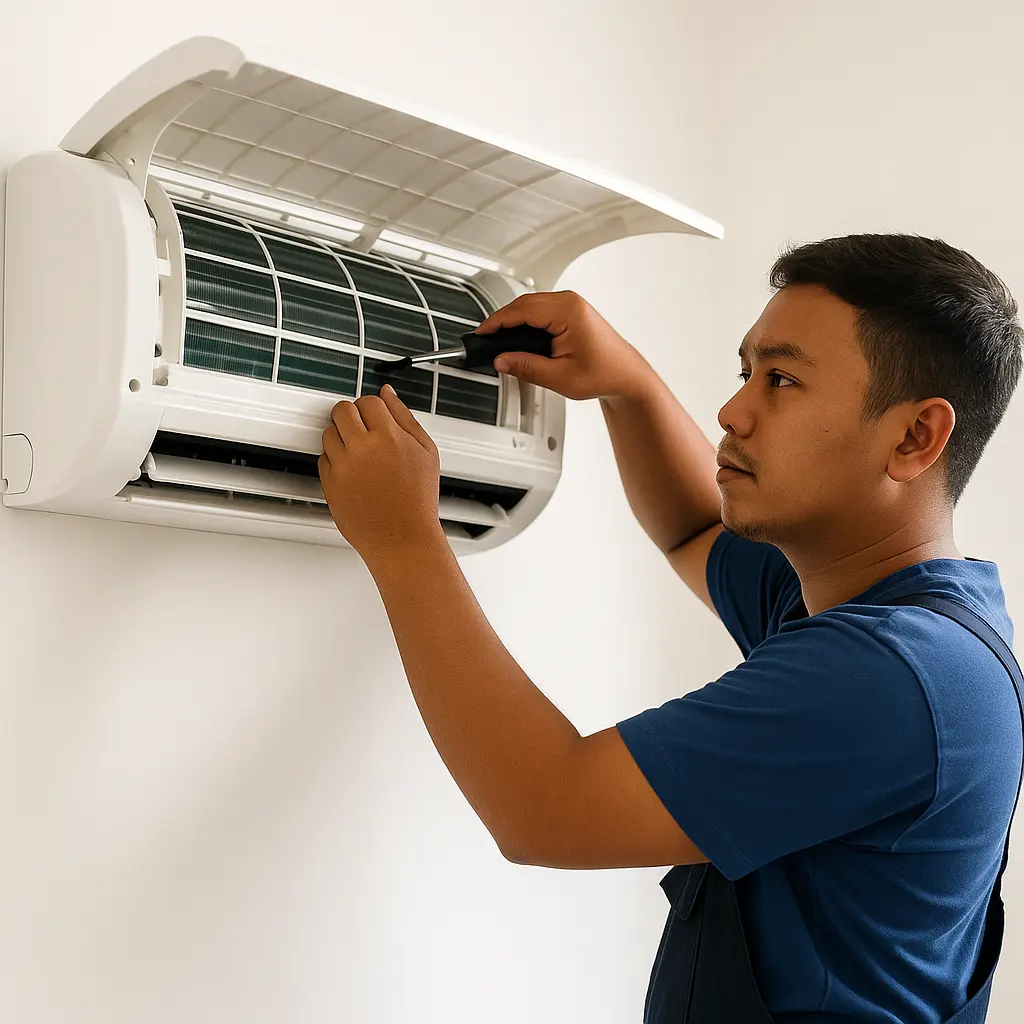
Aircond Installation Malaysia
Free 10 feet of copper pipe
Other Aircond Services Malaysia
4-Hour Express Aircond Installation & Service Malaysia. Same-day service available
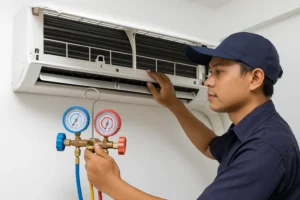
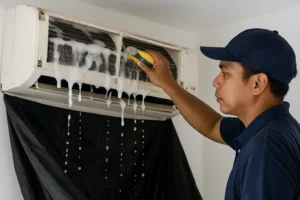
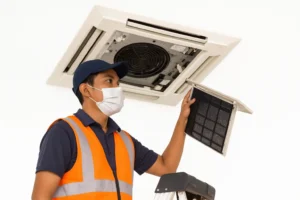
Aircond Servicing Checklist (Malaysia): What It Includes & How to Verify
Direct answer (40–60 words)
An aircond servicing checklist is a practical list of what a technician should check, clean, and test during standard servicing—usually basic cleaning, inspection, and a test run. It helps homeowners, tenants, and office admins confirm the work was actually done, spot common issues early, and avoid paying for unnecessary chemical wash unless it’s truly needed.
Quick answer
A proper aircond service is not just “wash filter and go.” It should include a quick condition check, targeted cleaning, and a test run to confirm cooling and drainage. If you’re not sure what servicing includes (or you’ve had bad experiences), this page gives you a technician-style checklist plus what to check after the job is done.
Soft CTA near top (contextual)
If you want a technician who follows a clear checklist (inspection → cleaning → test run), WhatsApp or call and ask for a “standard service with verification photos.”
Trust section: why local expertise matters (Malaysia)
Malaysia’s humidity and daily aircond usage patterns make certain problems more common—dusty filters, slimy drain lines, and mild coil buildup that slowly reduces cooling. A local technician who services units daily will usually know what to clean without jumping straight to chemical wash, and what signs suggest a deeper issue (leak, airflow restriction, sensor/drain problems).
Service overview (what it is / who it’s for)
Aircond servicing (standard) is routine maintenance: light cleaning, inspection, and basic performance checks. It’s for homeowners who run aircond most nights and want consistent cooling plus lower risk of leaks, tenants who need proof of proper servicing before blaming the unit, and office/admin who want predictable maintenance and fewer complaints. It’s also useful when you want to answer: what does aircond service include, without vague wording.
Types of services (if relevant)
Standard servicing (this page): basic cleaning, checks, and test run. Deep cleaning/chemical wash: only when there’s heavy buildup, recurring drainage issues, or cooling/airflow problems that normal cleaning can’t fix. Troubleshooting/repair: when symptoms point to a fault (electrical, sensor, fan motor, capacitor, refrigerant leak, compressor, etc.).
Step-by-step process: proper aircond service steps (checklist format)
A) Arrival and safety checks
Confirm unit type (wall-mounted split, cassette, etc.) and room issue (not cold, leaking, noisy, smell). Turn off power properly before opening covers. Protect area with basic drip protection and tidy handling of screws/covers.
B) Visual inspection (before cleaning)
Check filter condition (dust level, smell, mold signs). Inspect front panel, louvers, and visible dust buildup. Look for signs of water leak around indoor unit and trunking. Check drain outlet (where water exits) for slow dripping or blockage. Quick look at outdoor unit: leaves/dirt blocking airflow, unusual noise/vibration.
C) Basic cleaning (standard servicing)
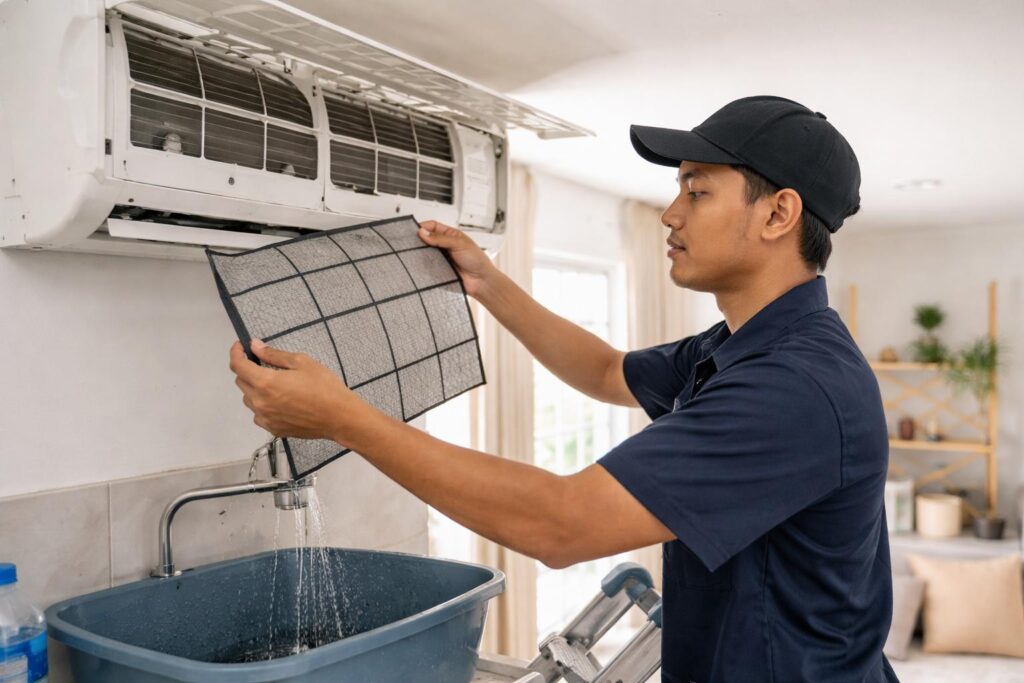
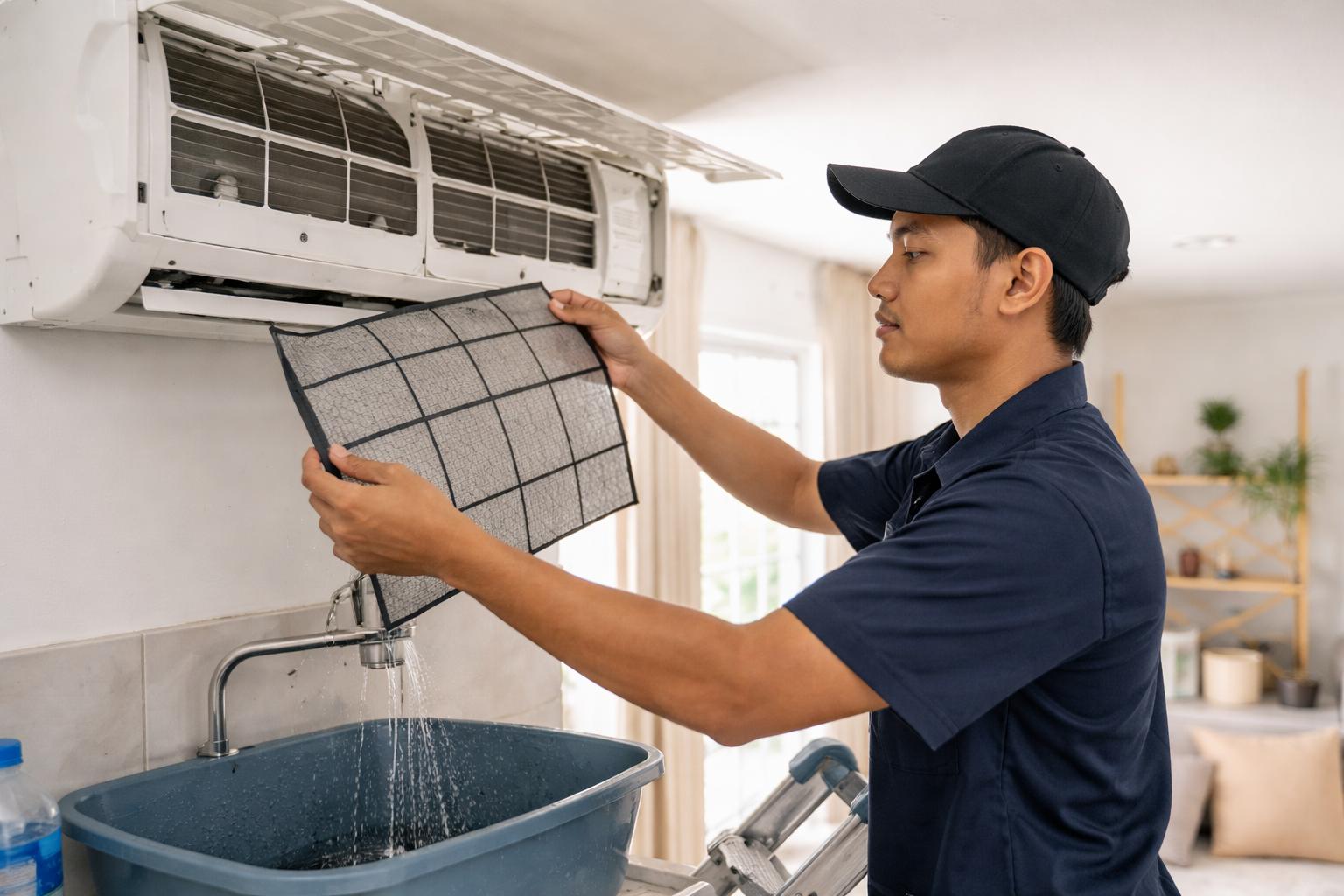
Aircond filter cleaning: remove, rinse, dry properly, refit securely (no gaps). Wipe reachable fan/blower area if accessible without full dismantle. Light cleaning of visible coil fins (non-aggressive; fins shouldn’t be crushed). Clean/wipe drain tray area (where accessible) and check for slime buildup. Clean casing and ensure panels close properly. Note: blower cleaning and coil cleaning can range from light cleaning to deep dismantle; standard servicing typically covers basic/accessible cleaning, not full teardown.
D) Drain line and leak prevention checks
Drain line aircond check: confirm water flows out smoothly. Check for backflow signs (water pooling in tray, slow drip outside). Inspect insulation and piping where visible (condensation risk points).
E) Electrical and control checks (basic)
Confirm remote settings and modes work (Cool, Fan, temp changes). Check indoor fan speed changes respond correctly. Observe if unit trips power during operation (if so, stop and flag as repair).
F) Test run (this is where many “bad services” fail)
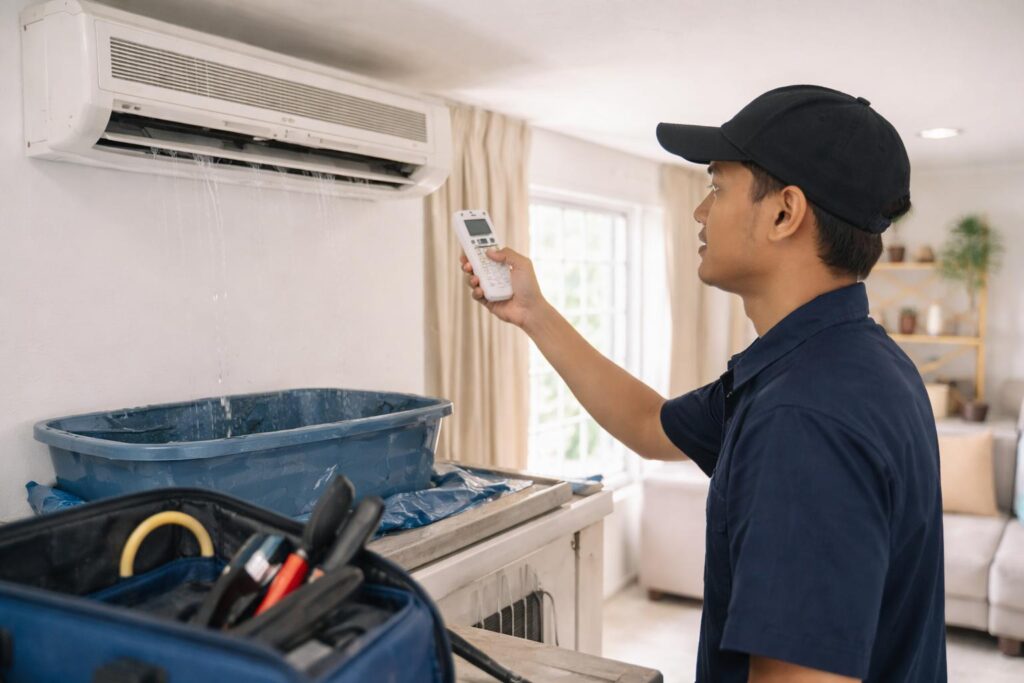
Run in Cool mode long enough to confirm airflow feels consistent (not weak/blocked), cooling starts and stabilises, indoor unit doesn’t drip water, and outdoor unit runs normally (no harsh rattling). Briefly explain findings, what was cleaned, and any risks noticed.
What’s included and not included
Usually included in standard servicing
Basic cleaning (filter plus accessible surfaces). Visual inspection (leak, dust, airflow restriction signs). Drainage check (water flow). Remote/control check. Test run and quick feedback.
Usually NOT included (unless agreed)
Full dismantle blower deep clean. Full coil chemical wash (indoor/outdoor). Refrigerant top up by default (only if diagnosis supports it). Fixing parts faults (capacitor, fan motor, PCB, sensor). Repairing leaks or re-flaring piping.
Frequency and best practice guidance (by scenario)
Bedroom (nightly use): service more often if dust builds fast or airflow weakens. Living room (heavy daytime plus guests): monitor filter quickly; service when airflow drops or smell appears. Homes with pets or near main road: expect faster filter clogging; check monthly, service as needed. Office units: schedule routine servicing to reduce complaints; keep a checklist log per unit. A good rule: don’t follow a rigid calendar only—use symptoms like airflow drop, smell, or leak signs as triggers too.
Cost factors (no exact prices) + what a fair quote includes checklist
Costs vary by unit type, access difficulty, level of cleaning, and whether extra diagnosis is needed – see what to expect before you book. What a fair quote includes: clear scope (standard servicing vs chemical wash vs repair), number of units and unit type (wall split, cassette, etc.), what cleaning is included (filter, basic coil wipe, drainage check), whether test run is included, and any add-ons explained with reasons (not “must do” without evidence). If a quote jumps straight to chemical wash or refrigerant top up without inspection, ask for the findings that led to that recommendation.
Common problems/symptoms + what usually helps (practical)
Aircond not cold after service
Usually points to settings/mode issue (not actually on Cool), airflow still restricted (filter not seated, coil/blower still dirty), or outdoor unit airflow blocked/fan issues. If it’s still not cold after proper cleaning and test run, it may need troubleshooting (not repeated “servicing”).
Aircond leaking water check (after service)
Common causes include drain line partially blocked or not flushed properly, water not flowing smoothly, or condensation from poor insulation with weak airflow. A proper service should confirm water is draining during the test run.
Weak airflow
Often improves with proper filter cleaning and correct refit. If buildup is heavier, it may need more thorough blower/coil cleaning. If airflow stays weak, ask whether blower dirt requires deeper cleaning.
Smell after service
Sometimes it’s trapped moisture/dust; sometimes it’s mold in blower/drain tray area. If smell persists, ask what area was cleaned and whether deeper cleaning is needed.
Mistakes to avoid (tactful)
Paying for chemical wash without clear symptoms or evidence. Accepting top up gas as a default step (refrigerant issues need diagnosis). Skipping the test run—this is how leaks and non-cooling problems get missed. Not asking what was actually cleaned (filter-only service is common). Setting temperature extremely low immediately after service without checking drainage and airflow.
Pre and post checklist
Before technician arrives (pre)
Note symptoms: not cold, leaking, noisy, smell, trips power. Clear space under indoor unit. Have remote ready (or mention if missing).
After servicing (post): check after aircond service
Cooling starts normally within a short time in Cool mode. Airflow feels steady (not thin). No dripping from indoor unit. You can see/confirm filter was cleaned and refitted properly. Technician did a test run and explained what they found.
Verification Checklist (how to verify the technician actually did the work)
Ask for 3 photos: dirty filter (before), cleaned filter (after), drain outlet dripping (during test run). Ask what was cleaned besides the filter (coil surface, drain tray, blower area). Confirm a test run happened: “Did you run it in Cool and check drainage flow?” Check screws/panels: cover sits flush, no rattling after service. Look for crushed fins: coil fins shouldn’t look mashed. Ask for 1 key finding: “Any early signs of leak, blockage, or weak airflow cause?” If answers are vague and there’s no test run evidence, treat it as incomplete servicing.
FAQs
Ask for simple proof: a before/after filter photo, confirmation that drainage flow was checked, and a short test run in Cool mode. A proper technician can explain what was cleaned (not just “done already”).
Confirm three things: cooling feels normal in Cool mode, airflow is steady, and there’s no dripping from the indoor unit. Also check the panel is refitted properly and the technician did a test run.
Typically: basic cleaning (filters + accessible surfaces), a quick inspection (leaks/dust/airflow restriction signs), drainage check, remote/control check, and a test run. Full dismantle or chemical wash is usually separate.
Standard servicing is routine cleaning and checks. Chemical wash is deeper cleaning for heavier buildup, persistent smell, or weak cooling that normal servicing can’t resolve. Always confirm the exact scope.
Common causes include a partially blocked drain line, water not flowing smoothly, or condensation issues from weak airflow. A proper service should verify drainage during the test run.
Not automatically. Weak cooling can come from airflow blockage, dirty coils, blower issues, sensor problems, or refrigerant leaks. Ask what checks were done before any refrigerant work is suggested.
Not always. Light cleaning may be enough if buildup is mild. Blower deep cleaning is more relevant when airflow stays weak, smell persists, or there’s heavy dirt buildup.
You can clean filters and keep the area dust-free. Internal coil/blower/drain checks and outdoor unit cleaning are where technique and safety matter—these are usually best handled by a technician.
It depends on use and environment. Daily use, pets, and dusty areas usually need more frequent servicing than occasional use. Use symptoms (weak airflow, smell, leaks) as triggers too.
Ask whether it’s standard service or chemical wash, what areas they’ll clean, and whether a drainage check and test run are included. Request a brief “findings report” at the end.
Avoid vague packages. Ask for evidence and a clear reason before agreeing to chemical wash or gas-related work. A fair quote states what’s included, what’s excluded, and how add-ons are approved.
It varies by unit condition, access, and number of units. Be cautious of “too fast” servicing if the scope is more than just filter cleaning and a quick wipe.