


24-Hour Arrival Guarantee
Get Fast Aircond Service, WhatsApp Us And Book In Just 5 Minutes

Professional Service
CIDB Certified Technicians

No Hidden Costs
Clear Transparent Pricing

Cheapest Aircond Service
Insanely Iow Prices For Aircond Installation And Servicing In Malaysia
Guaranteed Arrival Within 24 Hours!
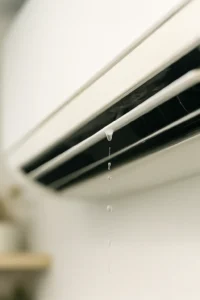
Aircond Leaking Water
Aircond Is Running But Not Cold
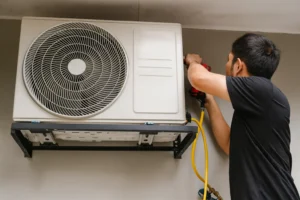
Noisy Compressor, Not Running
Not Cold? Get the Cheapest Aircond Installation & Aircond Service in Malaysia!
The most value-for-money aircond installation and servicing in Malaysia. 4-Hour Express Service.
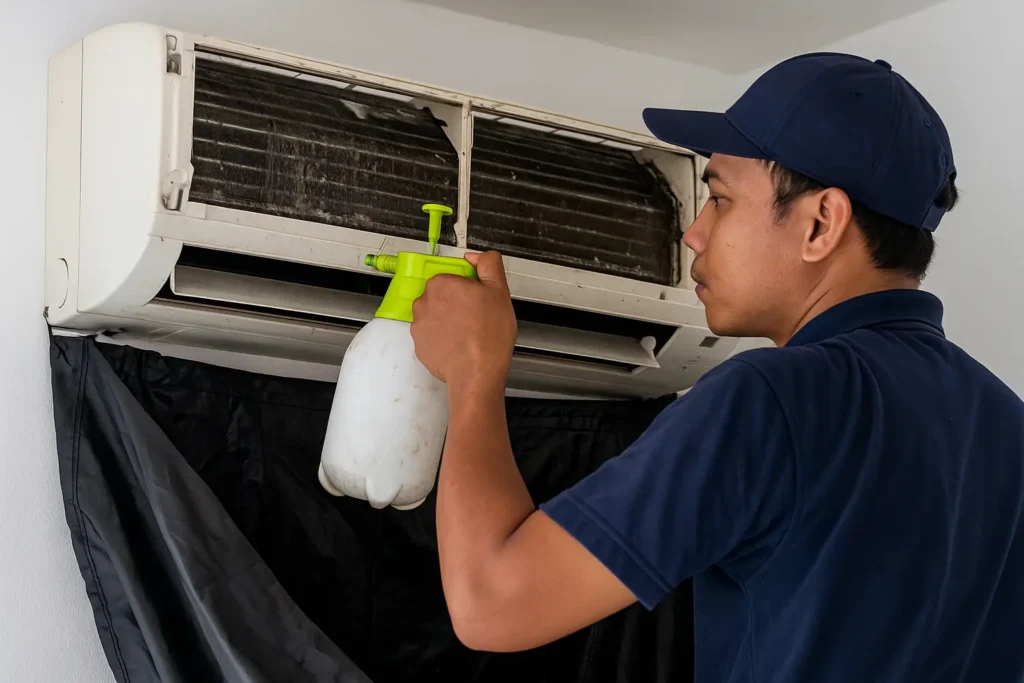
Aircond Service Malaysia
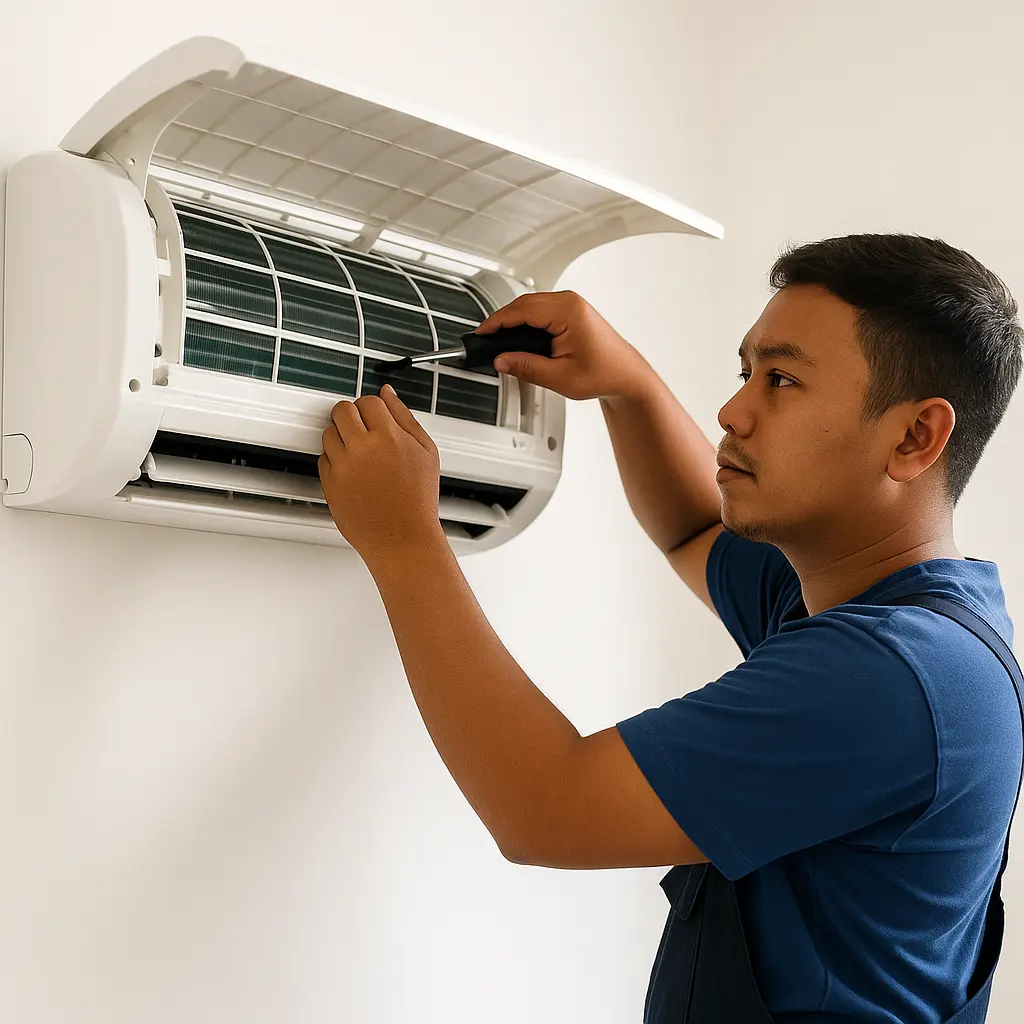
Aircond Installation Malaysia
Free 10 feet of copper pipe
Other Aircond Services Malaysia
4-Hour Express Aircond Installation & Service Malaysia. Same-day service available

Aircond Service Tangkak
In Tangkak, the visit often goes right or wrong before the cover is opened. Narrow taman lanes, kampung side-road entry, tight corridor access to the FCU, shallow drain slope, and outdoor units placed on ledges or high brackets all change how the job is handled. In Tangkak Town and Bukit Gambir, the real issue is not just whether the aircond is leaking, not cold, noisy, or smelly—it is whether the technician can reach the unit safely, test it properly, and control wash runoff without creating a mess.
This page is built for access-first aircond service in a condo-heavy booking pattern, even when the property is not a high-rise. That means the job is screened around parking, guardhouse timing, balcony or ledge clearance, staircase carry path, and water-point practicality before work starts. Tight basement parking + a long trolley carry to the lift means a small delay can snowball into a reschedule.
For faster screening, prepare four basics first: unit type, symptom, access window, and any leak or mess boundary that matters inside the unit area. If the problem is recurring leakage, mention whether it happens after long night usage, because drain slope and concealed routing often matter more than a simple rinse.
WhatsApp or call with your unit type, symptom, and access notes.
Common Mistakes That Cause Repeat Issues
Where Repeat Problems Usually Start
- Booking a visit without stating whether the outdoor unit sits on a balcony ledge, high bracket, or narrow service space.
- Describing the issue as “not cold” only, without noting whether airflow is weak, the drain is dripping, or the ODU is noisy.
- Assuming any leak is a gas issue when the actual cause may be drain slope, clogging, or concealed piping route problems.
- In Taman Sri Tangkak and nearby older terrace rows, furniture blocking the FCU front panel often slows proper inspection and reassembly.
- For walk-up flats and older shoplots, staircase carry risk affects how wash covers, ladders, and wet/dry gear are brought in.
- Missing the fact that limited water-point access or a long hose run can slow chemical wash cleanup and flush work.
- Approving “quick fixes” on repeat leaks without checking the drain route gradient and trunking path properly.
- Do this: state whether access is via lift, stairs, balcony, or side yard before dispatch. / Avoid this: sending only the symptom and leaving access details for arrival time.
- Share photos of the indoor unit, outdoor unit position, and access path first.
Local Notes for Tangkak, Johor
Tangkak jobs tend to split into two realities: straightforward access, or access that quietly changes the whole service plan. Around Tangkak Town, Ledang Heights, and Bukit Gambir, small differences in parking position, guardhouse timing, and balcony clearance can decide whether the team starts immediately or spends the first part of the slot just setting up safely. That is why the differentiator here is clear: access-problem solver, not just symptom-first dispatch.
The condo-heavy decision lever matters even in mixed housing areas because the same friction points show up repeatedly—preregistration at guarded entry, limited work-hour windows, tighter carry paths, shared lifts, and outdoor units mounted where posture and reach become part of the job. Some plaster ceilings also have small service hatches, so concealed drain or piping inspection is not always direct.
In Serom and Sagil, homes with a small yard or limited wet-area access can turn hose routing into a setup issue before the wash even begins. In older mixed-use rows, staircase carry with ladder and wash gear becomes a handling issue, especially when the corridor narrows near the FCU position. Older condo or flat trunking routes can force longer piping paths and extra joints if re-route is needed. Shoplot front parking gets blocked during delivery wave, so ladder setup may only be possible after a window clears.
How to avoid delays: confirm entry type, parking rule, floor level, water-point access, and whether the outdoor unit is on a ledge or standard bracket before the slot is assigned.
Another uncommon delay source is restricted compressor test timing in properties with noise-control windows. Guardhouse preregistration queues can also reduce the usable work window. Limited shared tap access may stretch cleanup time more than expected. For Tangkak, proper screening is less about talking more and more about preventing a half-ready visit. Share the carry path, access limit, and unit photos first.
Booking Process (How It Works)
Carry Path Before Dispatch: Lift vs Staircase
- Share the unit type, symptom, and whether the issue is cooling, leaking, smell, sound, or repeated tripping.
- Confirm the property type: condo, landed, walk-up, shoplot, or mixed-use unit.
- State the access path clearly: guardhouse, basement, stair carry, narrow side lane, balcony ledge, or standard outdoor-unit bracket.
- Send photos if the outdoor unit is hard to reach or if the indoor unit sits close to furniture, beams, or ceiling edges.
- The likely scope is screened first so the visit matches the access and risk level.
- Appointment timing is then fitted subject to schedule.
Send details for a quick slot fit.
If access is unusual, share photos + access notes first.
Access & Mess Control Do/Don’t
Mess Control Boundaries That Prevent Complaints
- Clear the floor zone under the FCU before arrival, especially if the unit sits above wardrobes, TV consoles, or built-ins.
- Confirm whether runoff must be controlled tightly because of timber flooring, feature walls, or soft furnishings nearby.
- In Kampung Padang Lerek and older terrace layouts, tighter indoor spacing can limit how wash covers are positioned.
- If the outdoor unit is on a narrow ledge, safe reach and posture matter more than speed.
- Tell the team if the nearest water point is shared, outside, or requires a long hose route.
- Note any building rule that limits noise timing for ODU testing or compressor checks.
- For basement-entry sites, mention height limits and whether trolley movement to the lift is long or restricted.
- Do this: clear the working zone and define the no-mess boundary early. / Avoid this: assuming setup can be improvised after the team arrives.
- Mark any area where water, dust, or temporary panel placement will be sensitive.
What Is Aircond Servicing (And What It Isn’t)?
Aircond servicing is a condition-and-access-based maintenance visit. It usually means checking airflow, cooling behavior, drain condition, dirt load, washable components, and visible operating issues around the FCU and ODU.
It is not a promise that every problem can be solved with a simple wash or top up gas. If the issue involves a concealed drain route, damaged part, unsafe outdoor access, restricted work window, or longer piping path, the plan may shift after inspection.
For repeat leaks and weak cooling in Tangkak, the useful difference is whether the problem comes from dirt load, drain restriction, airflow imbalance, component failure, or access-limited inspection. Share symptom history, not just the latest complaint.
What’s Included / Not Included
Included: Diagnosis & Checks
- Basic symptom review based on cooling, leakage, smell, sound, or cycling pattern
- Visual check of FCU condition and accessible ODU condition
- Drain-related checks where access allows
- Airflow and operating-condition review
- Washable-area servicing based on actual scope
- Initial review of whether chemical wash, repair, or further parts work may be needed
- Access and safety check for the outdoor-unit side if relevant
Not Included: Approvals + Restricted Work
- Management approvals, guardhouse registration handling, or building paperwork
- Work outside approved building time windows
- Unsafe access beyond normal reach conditions
- Concealed piping reconstruction without separate scope review
- Structural modification, hacking, or major rerouting decisions without assessment
- Any assumption that all leakage or poor cooling can be solved in one standard visit
Review access, restrictions, and symptom history before locking scope.
How to Verify the Service Was Done Right (Quick Checklist)
- The symptom discussed at the start matches the work actually checked on-site.
- The FCU front panel, filters, and accessible areas are reassembled properly.
- Drain behavior is checked if leakage was part of the complaint.
- Cooling response is reviewed after servicing, not assumed.
- Any unusual finding about piping route, access limit, or outdoor-unit condition is explained clearly.
- Mess control is maintained in the working zone and cleanup is completed.
- Next-step advice matches the actual issue: wash, repair, monitor, or re-quote for deeper work.
- If the problem remains conditional, the reason is stated clearly instead of being brushed off.
Use this checklist to compare the job done versus the issue first reported.
Typical Timeline & What Affects It
Tangkak jobs often move in two stages: screening time before dispatch, then actual working time based on access and scope on arrival.
A basic service visit is usually more straightforward when the unit is easy to reach, the water point is nearby, and the ODU is in a normal working position. The timeline stretches when there is basement entry, guardhouse delay, staircase carry, longer hose routing, or outdoor-unit access on a narrow ledge.
If the issue is repeat leakage, more time may be spent checking the drain path and whether the gradient or concealed routing is part of the pattern. If the property has restricted noise windows, final ODU testing may need tighter timing.
What changes the plan: a booking that sounds routine can become slower once the team finds a long trolley carry, poor balcony clearance, or limited access to the drain route.
Confirm the access window and unit layout before the slot is fitted.
Cost Drivers
Cost depends on scope, access difficulty, condition of the unit, and whether the job stays within standard servicing or shifts into repair-level work.
Main Cost Drivers
- Number of units and type of units involved
- Standard servicing versus deeper cleaning scope
- Whether the problem is cooling, leaking, smell, noise, or multi-symptom
- Dirt load and overall condition
- Drain troubleshooting complexity
- Inverter or component-related diagnosis time
- Guardhouse preregistration or narrow access window that reduces usable work time
- Balcony or ledge clearance that changes how the outdoor unit can be checked safely
- Staircase carry, basement stop distance, or long trolley route
- Need for follow-up scope if the issue is beyond routine servicing
What a Fair Quote Should Include
- Stated unit count
- Unit type
- Service type proposed
- What symptoms were screened in advance
- Access notes considered in the quote
- Whether ODU access is normal or restricted
- Whether drain checks are part of the initial scope
- Any likely limitation already identified
- Whether follow-up repair scope may be separate
- What cleanup boundary is assumed
- Whether schedule is subject to building or access timing
- Clear note that exact findings depend on on-site inspection
A fair quote should describe the work boundary, not just throw out one number. Share unit photos, symptom notes, and access constraints for a cleaner scope match.
Common Local Scenarios (Condo / Landed / Renovation / Shoplot)
Condo
In condo-style jobs around Ledang Heights and edge areas nearer guarded developments, the main issue is often access sequencing rather than the unit itself. Guardhouse timing, lift carry, basement stopping point, and balcony clearance can all affect the start.
What changes the plan: how far gear must be carried from vehicle stop to unit access.
Risk-control line: confirm registration rule, floor level, and outdoor-unit position before assigning the slot.
Landed
For landed homes in Taman Sri Tangkak, Serom, and Kampung Sri Makmur, recurring leaks and weak cooling often connect to drain gradient, longer trunking turns, or tight indoor placement near furniture. Yard water access may be available, but hose routing and runoff control still need planning.
What changes the plan: whether the drain route and work area are straightforward or partially concealed.
Risk-control line: clear the FCU zone and mention if leakage only appears after long overnight use.
Renovation
For renovation-stage properties in Bukit Gambir or mixed edge areas toward Jasin and Merlimau, service or repair planning can get affected by dust load, unfinished surfaces, limited water-point readiness, or access blocked by materials. Existing piping or trunking may also be mid-change.
What changes the plan: whether the site is service-ready or still in a layout that blocks inspection and cleanup.
Risk-control line: state clearly if ceilings, trunking, or access panels are still being modified.
Shoplot
In Tangkak Town shoplot rows and nearby commercial pockets, the issue is often front parking turnover, staircase carry, and timing around delivery activity. Older upper-floor units may also have tighter indoor working space and more awkward ODU reach.
What changes the plan: whether ladder setup and unloading can happen during the workable parking window.
Risk-control line: mention whether the unit is upstairs, rear-access only, or affected by peak delivery timing.
FAQs
In Tangkak, the symptom is only half the story. The real delay often comes from narrow taman entry, kampung side-road approach, older shoplot staircase carry, guarded entry timing, or an outdoor unit placed on a ledge with limited reach.
For this area, access details should be screened before the slot is fitted. Share your property type, access path, and unit position first.
A lot of upper-floor shoplot units in Tangkak Town are not difficult because of the aircond itself, but because of stair carry, narrow landing turns, and limited setup space once the team reaches the unit. That affects how wash gear, ladders, and wet/dry tools are moved safely.
The practical next step is to state whether the unit is ground floor, upstairs, or rear-access only.
It can. Bukit Gambir jobs may involve longer approach timing, mixed housing layouts, and different stop-and-carry conditions depending on whether the property is landed, guarded, or attached to a commercial row. That changes how tightly the arrival window should be planned.
Share the exact unit setting and access notes before the booking is locked.
That pattern often points to a drain issue that only shows up after a longer operating cycle, not just a quick daytime test. In older layouts around Serom, shallow drain slope, longer concealed routing, or partial clogging can create repeat leakage that looks “random” at first.
State when the leak appears, how often it happens, and whether it gets worse during long night use.
Because ledge access changes the whole service posture. A normal bracket check and a ledge-positioned ODU are not the same in terms of reach, tool choice, and safe inspection flow, especially in condo-heavy or guarded setups.
Share a photo of the outdoor unit position and surrounding clearance first.
Yes. In places where the nearest usable tap is outside, shared, or requires a long hose route, chemical wash setup and cleanup take more planning. That matters more when the indoor unit is far from the easiest runoff area.
The useful next step is to mention where the nearest water point is and whether hose routing is straightforward.
Because some repeat leaks are not caused by surface dirt alone. In older Tangkak layouts, the real issue may be drain gradient, a concealed bend in the route, or trunking that forces an awkward flow path.
For repeat leakage, give the symptom history instead of only saying “it leaked again.”
In guarded or condo-heavy environments, entry control is part of job planning, not an afterthought. Registration delay, visitor wait time, or a short access window can reduce the actual working time once the team enters.
Confirm the entry rule, visitor process, and working window before the slot is assigned.
The common issues are tighter corridor width, furniture or built-in cabinets blocking the FCU front panel, and longer carry paths for equipment. In older rows, the indoor reach can be more restrictive than the aircond symptom suggests.
Share a photo of the indoor unit area and the clearance below it first.
Yes. Here, condo-heavy means the booking is affected by shared access rules, tighter parking, carry distance, limited work windows, ledge-positioned ODUs, or lift-dependent movement. Those same constraints show up in guarded landed homes and mixed developments too.
Send your access window and property setup before scope is matched.
Because even a basic service becomes slower if unloading tools, moving wash gear, or positioning near the unit is difficult. In Tangkak Town shoplot rows or tighter residential pockets, blocked shoulders and poor stopping space can delay setup before work even begins.
State whether parking is direct, roadside only, basement, or a longer carry from the vehicle stop.
Yes, sometimes the plan needs a more realistic timing window because edge-area routing can add travel spread and make rescheduling harder if the property also has access friction. This matters even more when the job includes guarded entry or unusual ODU reach.
Share location, symptom, and access details together instead of sending them separately.
Because timing patterns can help separate indoor airflow noise, outdoor-unit operating noise, and access-related testing limits. Some commercial rows also have tighter workable periods for setup, testing, and ladder positioning depending on surrounding activity.
Note when the sound happens, whether it is from the FCU or ODU, and what the access situation looks like.
Possibly, but the site must be ready enough for safe movement, water use, and cleanup control. In renovation settings near Bukit Gambir, Merlimau-side edge areas, or mixed landed rows, dust load, blocked access, unfinished ceilings, or changing trunking can affect what can be done properly.
Share the current site condition, not just the unit symptom.
The most useful details are: exact area, property type, floor level, parking condition, guardhouse process, water-point access, indoor clearance, and outdoor-unit position. In Tangkak, those details matter because access physics often decides whether the visit stays smooth or turns into a partial job.
WhatsApp or call with your unit type, symptom, and full access notes.