24-Hour Arrival Guarantee
Get Fast Aircond Service, WhatsApp Us And Book In Just 5 Minutes

Professional Service
CIDB Certified Technicians
No Hidden Costs
Clear Transparent Pricing

Cheapest Aircond Service
Insanely Iow Prices For Aircond Installation And Servicing In Malaysia
Guaranteed Arrival Within 24 Hours!
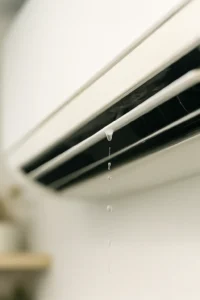
Aircond Leaking Water
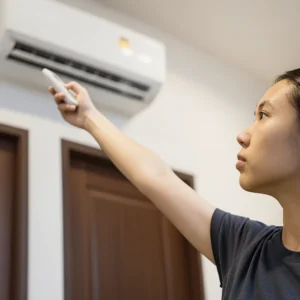
Aircond Is Running But Not Cold
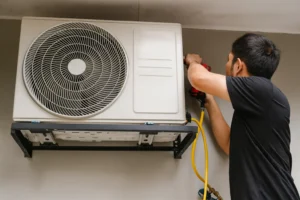
Noisy Compressor, Not Running
Not Cold? Get the Cheapest Aircond Installation & Aircond Service in Malaysia!
The most value-for-money aircond installation and servicing in Malaysia. 4-Hour Express Service.
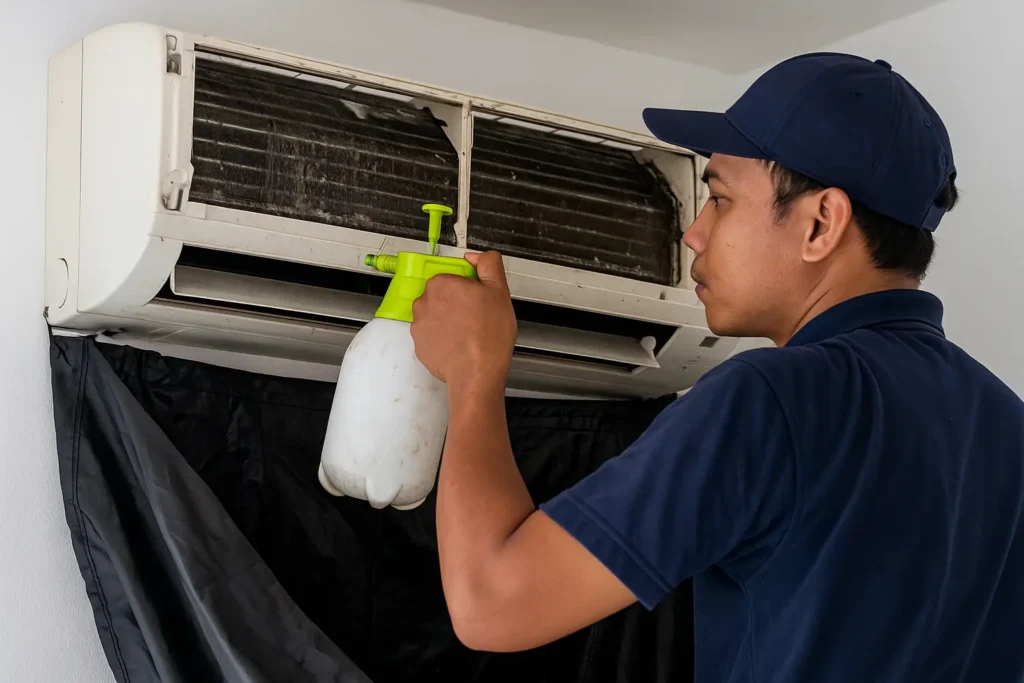
Aircond Service Malaysia
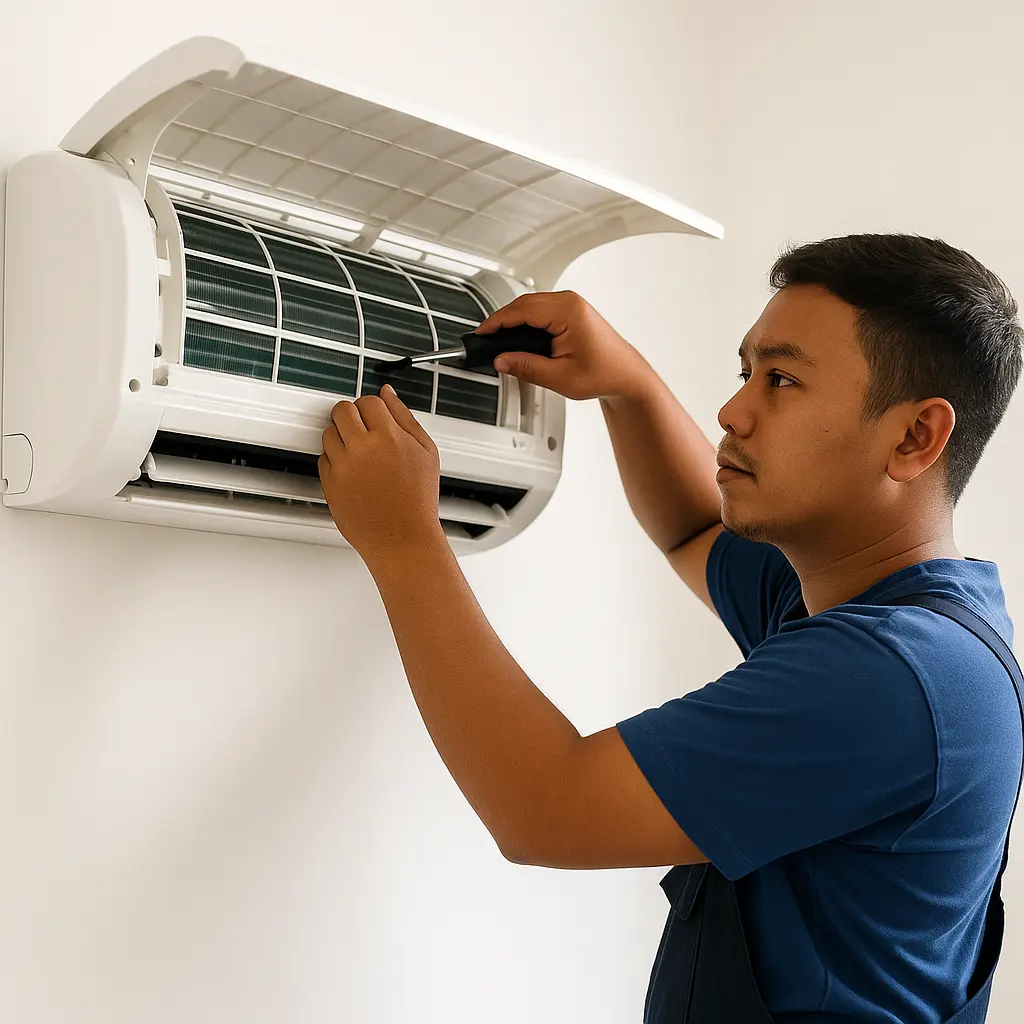
Aircond Installation Malaysia
Free 10 feet of copper pipe
Other Aircond Services Malaysia
4-Hour Express Aircond Installation & Service Malaysia. Same-day service available
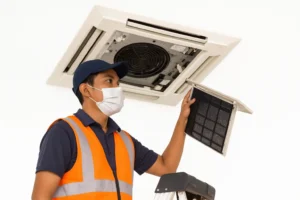
Top Up Gas Aircond (Refrigerant Top-Up + Leak Check) in Malaysia
Above-the-fold: What you get + who it’s for + what affects price
If your aircond feels weak, takes longer to cool, or only blows “slightly cool,” a top up gas aircond service can restore performance—but only when it’s done with the right checks and the right scope. This page helps you book confidently and avoid paying for a quick “top-up only” that doesn’t solve the real issue.
This service is for homeowners and small offices who suspect low refrigerant and want a proper refrigerant top-up with leak check guidance (basic checks, clear scope, and technician-grade process). It’s also suitable if you want to understand when a top-up makes sense—and when you actually need leak repair or deeper servicing.
What affects price most is why the gas is low, the system type (split, inverter, etc.), access/working conditions, and whether leak testing or repairs are needed before topping up.
Book / quote (soft CTA)
Message us on WhatsApp or call for a quick assessment and a clear scope. We’ll tell you what’s likely needed before anyone touches your unit.
When you need this service (symptoms / use-cases)
You may need a top-up when you notice one or more of these:
- Aircond used to be cold, now cooling is weak or inconsistent
- Room takes much longer to reach your usual temperature
- Airflow feels normal, but air temperature isn’t cold enough
- Outdoor unit runs often, indoor comfort still poor
- Previous “top up” didn’t last long (possible leak)
- You want a proper check before spending on bigger repairs
- top up gas aircond rumah request for a home unit that’s struggling to cool
Important note
Refrigerant doesn’t “finish” like petrol. If it’s low again, there’s usually a leak or an underlying issue.
What’s included / not included
Included (typical scope)
- Basic symptom check (cooling performance + operating behavior)
- Visual inspection of common leak indicators (oil stains, connections, valve areas)
- Basic pressure/temperature evaluation (to validate whether low gas is likely)
- Refrigerant top-up only if appropriate
- Post-service performance check (cooling response + stability)
- Guidance on next steps if a leak is suspected (what to fix first, what to avoid)
Not included (unless agreed upfront)
- Major leak repair (brazing, coil replacement, piping replacement)
- Full chemical wash / deep cleaning
- Compressor replacement or major electrical repairs
- Extensive nitrogen pressure testing / advanced leak detection tools
- Dismantling indoor unit (unless added as a separate scope)
Step-by-step process (what a proper technician does)
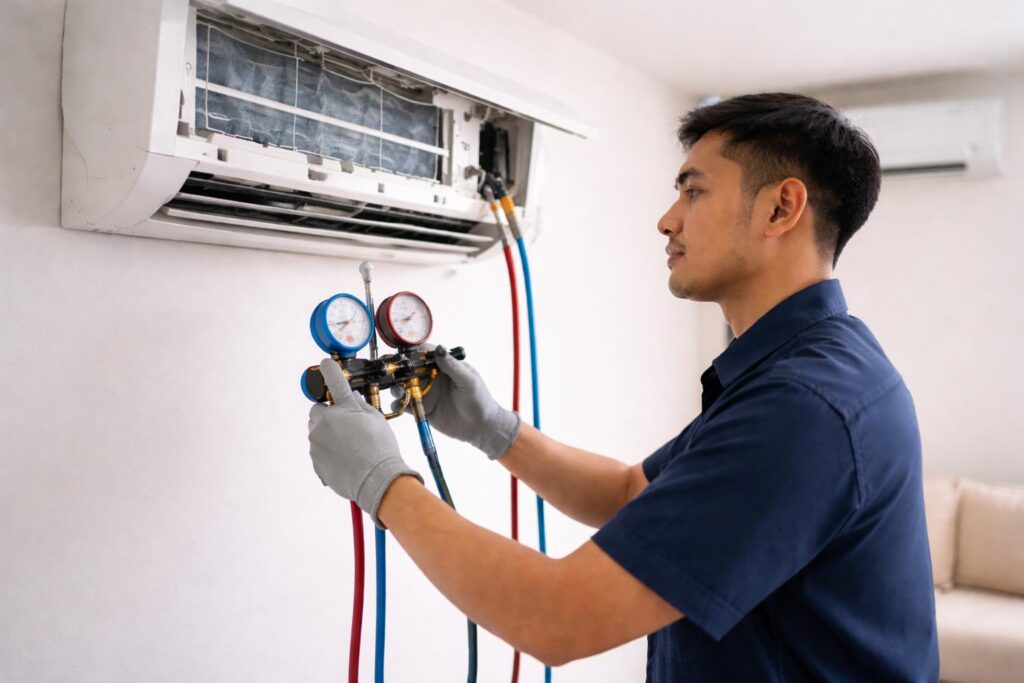
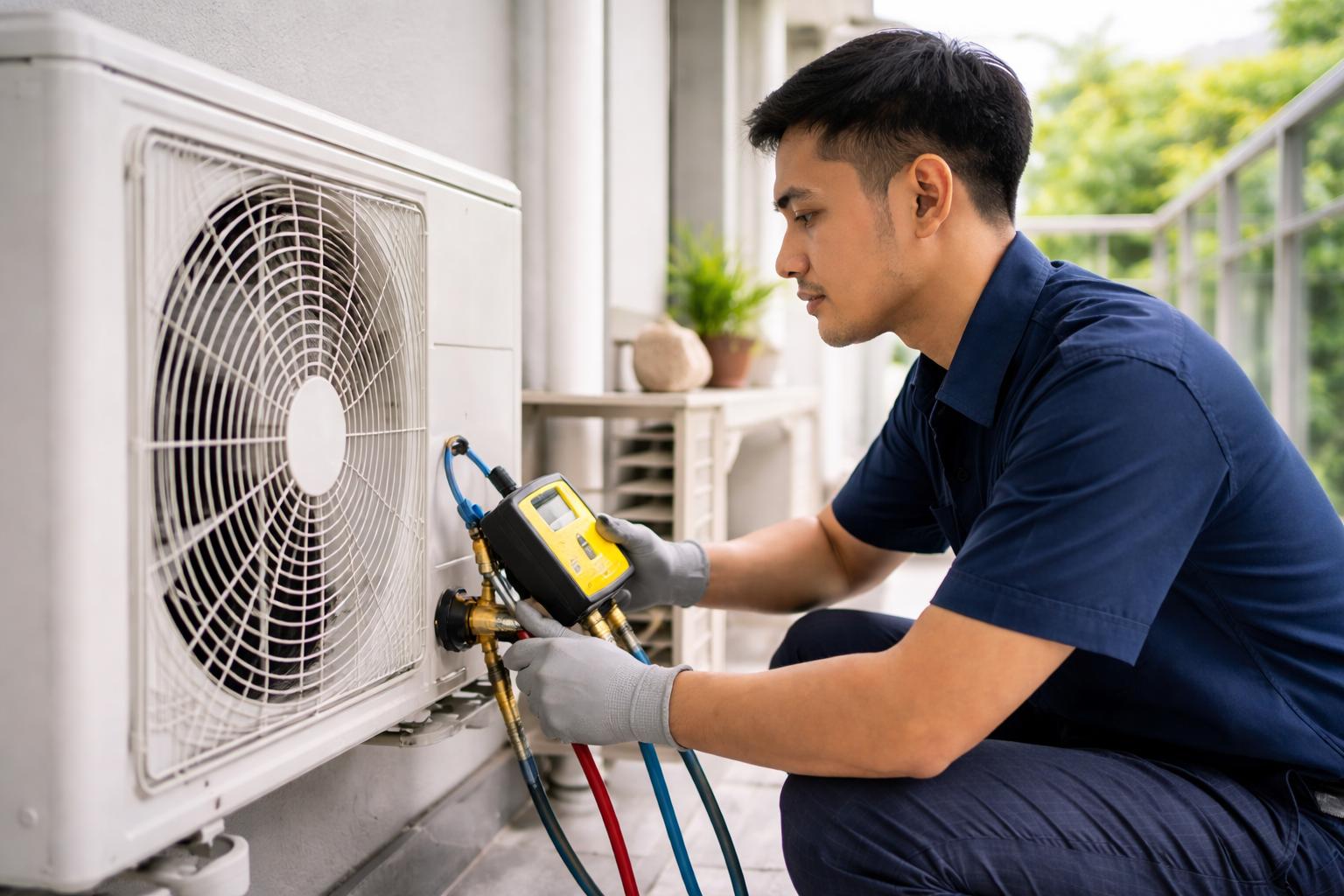
A good top-up service is not “pump gas and go.” Here’s the technician-grade flow:
1) Confirm symptoms and usage pattern
What changed, how long it’s been weak, any recent renovations, any past top-up history.
2) Check basic cooling conditions
Fan speed, filter condition (quick look), thermostat settings, and whether airflow is normal.
3) Inspect common leak points
Service valves, flare nuts, piping joints, and signs like oil residue near connections.
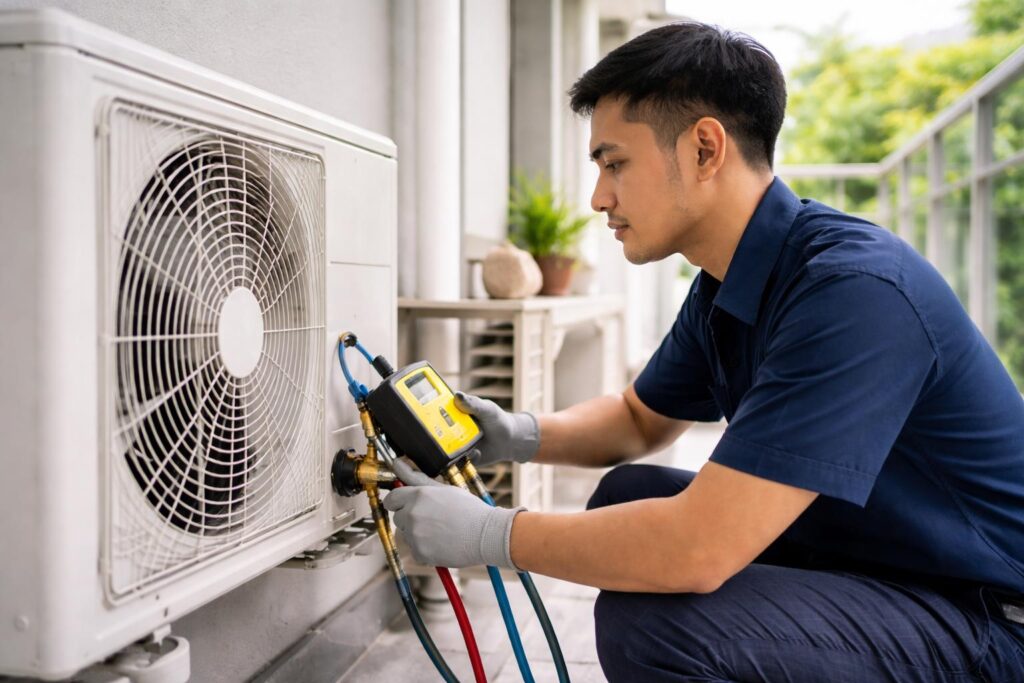
4) Measure operating behavior
Pressure/temperature behavior and system response to load (helps avoid blind topping).
5) Decide: top-up vs stop and repair first
If there are strong signs of leak, the correct move is to recommend leak repair before topping up again.
6) Perform controlled refrigerant top-up (when suitable)
Add refrigerant carefully to avoid overcharging. Overcharge can harm performance and stress components.
7) Stabilize and re-check performance
Confirm cooling improvement, monitor behavior, and ensure the unit isn’t icing.
8) Explain findings + next steps
What was done, what was observed, and what to do if performance drops again.
Cost & pricing factors (no exact prices)
For Malaysia, the price for top up gas aircond typically depends on:
- Leak likelihood: “top up only” vs top up + structured leak checks
- System type and size: inverter vs non-inverter, larger capacity units may differ
- Access difficulty: high-rise, tight outdoor compressor placement, long piping runs
- Time needed: quick validation vs time-consuming troubleshooting
- Repeat top-ups: if gas drops again, cost shifts toward leak diagnosis/repair
- Add-on scope: minor tightening/reflare work, insulation fixes, cleaning add-ons
How to compare quotes
Focus on scope clarity instead of just the lowest number.
Checklist: What a fair quote should include
- Clear statement of what refrigerant top-up includes
- Whether they will check for leak indicators (not just “add gas”)
- What measurements/checks will be done before topping up
- Whether they will do a post-service performance check
- What happens if cooling drops again soon (recommended next step)
- What is not included (leak repair, chemical wash, parts)
- Confirmation they won’t force a top-up if a leak is obvious
Comparison: This service vs alternatives
Comparison table
| Option | Best for | Pros | Cons / When to avoid |
|---|---|---|---|
| Top up gas aircond (with basic leak checks) | Cooling is weak and low gas is likely | Fast relief, clear next steps, avoids blind guessing | Not a permanent fix if there’s a leak |
| Leak repair first (then refill) | Gas drops again, oil stains/leak signs | Proper long-term fix | More time + cost upfront, may require parts/work |
| Chemical wash | Airflow/odour/dirt-related issues | Improves airflow + hygiene | Won’t fix low refrigerant by itself |
| General servicing/maintenance | Preventive care, mild performance drop | Low disruption, good habit | Might not solve refrigerant loss |
| Replace faulty components | Diagnosed electrical/mechanical issues | Targets root cause | Requires correct diagnosis; avoid random part-swapping |
Common mistakes / overcharge prevention (tactful)
These are common reasons people feel “overcharged” for top-ups:
- Treating refrigerant as a consumable (it shouldn’t vanish without a reason)
- Paying for repeated top-ups without addressing a leak
- No measurement, no checks—just “add gas” as the default answer
- Overcharging the system (can reduce cooling and cause issues)
- Bundling extras you didn’t ask for (without clear explanation)
Simple questions to ask (polite but firm)
- “What did you check before topping up?”
- “Do you suspect a leak? If yes, what should we fix first?”
- “Can you summarize what’s included and what’s not included in WhatsApp?”
Service prep & aftercare checklist
Before technician arrives
- Clear access to indoor unit and outdoor compressor area
- Share symptoms clearly: not cold, weak cooling, takes long, only certain rooms, etc.
- If you had a recent top-up, mention how long it lasted
- Turn on the unit 10–15 minutes before arrival (if safe) so behavior is observable
After service
Monitor cooling for the next few days at normal settings
If cooling drops again, don’t keep topping up—ask for leak repair guidance
Keep filters clean (basic airflow issues can mimic “not cold” complaints)
FAQs
It can be, only if the system was genuinely low for a non-leak reason (rare) or if the issue wasn’t actually refrigerant-related. If there’s a leak, topping up is usually temporary.
If airflow is weak or dusty, cleaning helps. If airflow is strong but the air isn’t cold, low refrigerant is more likely—though other faults can cause similar symptoms.
That’s a strong sign of refrigerant leak or incomplete diagnosis. Ask for leak inspection and repair guidance.
Yes, but inverter systems are more sensitive to correct charging and diagnosis. The process should include checks—not just “pump and go.”
It’s risky. You may pay repeatedly, and the underlying leak may worsen. Basic leak indicators should be checked at minimum.
Sometimes, but icing can also come from airflow problems (dirty coil, weak fan) or other issues. A proper check is needed.
Ask what checks they’ll do, what’s included/not included, and what they recommend if the gas drops again.
If leak signs are present, the best next step is usually repair-first, then correct refill. Scope depends on where the leak is.
It depends on access and the amount of checking needed. A proper visit includes time for validation and post-checking, not only topping up.
Running poorly for long periods can stress components and reduce efficiency. If cooling is clearly weak, it’s better to check sooner.