

24-Hour Arrival Guarantee
Get Fast Aircond Service, WhatsApp Us And Book In Just 5 Minutes

Professional Service
CIDB Certified Technicians

No Hidden Costs
Clear Transparent Pricing

Cheapest Aircond Service
Insanely Iow Prices For Aircond Installation And Servicing In Malaysia
Guaranteed Arrival Within 24 Hours!
Aircond Leaking Water
Aircond Is Running But Not Cold
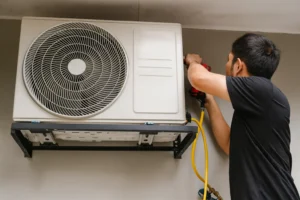
Noisy Compressor, Not Running
Not Cold? Get the Cheapest Aircond Installation & Aircond Service in Malaysia!
The most value-for-money aircond installation and servicing in Malaysia. 4-Hour Express Service.
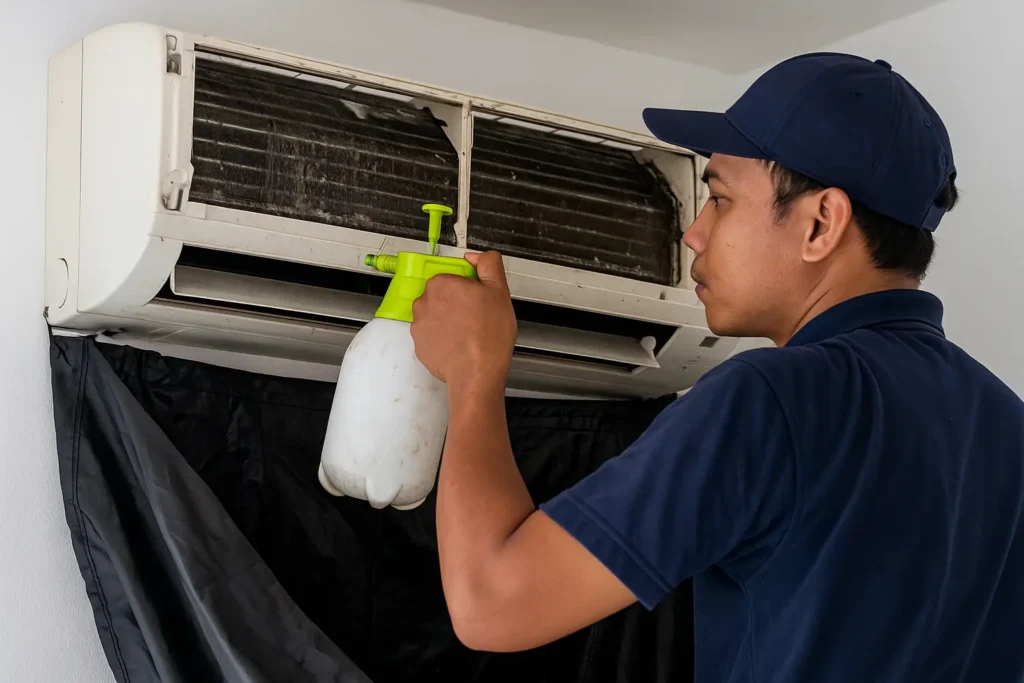
Aircond Service Malaysia
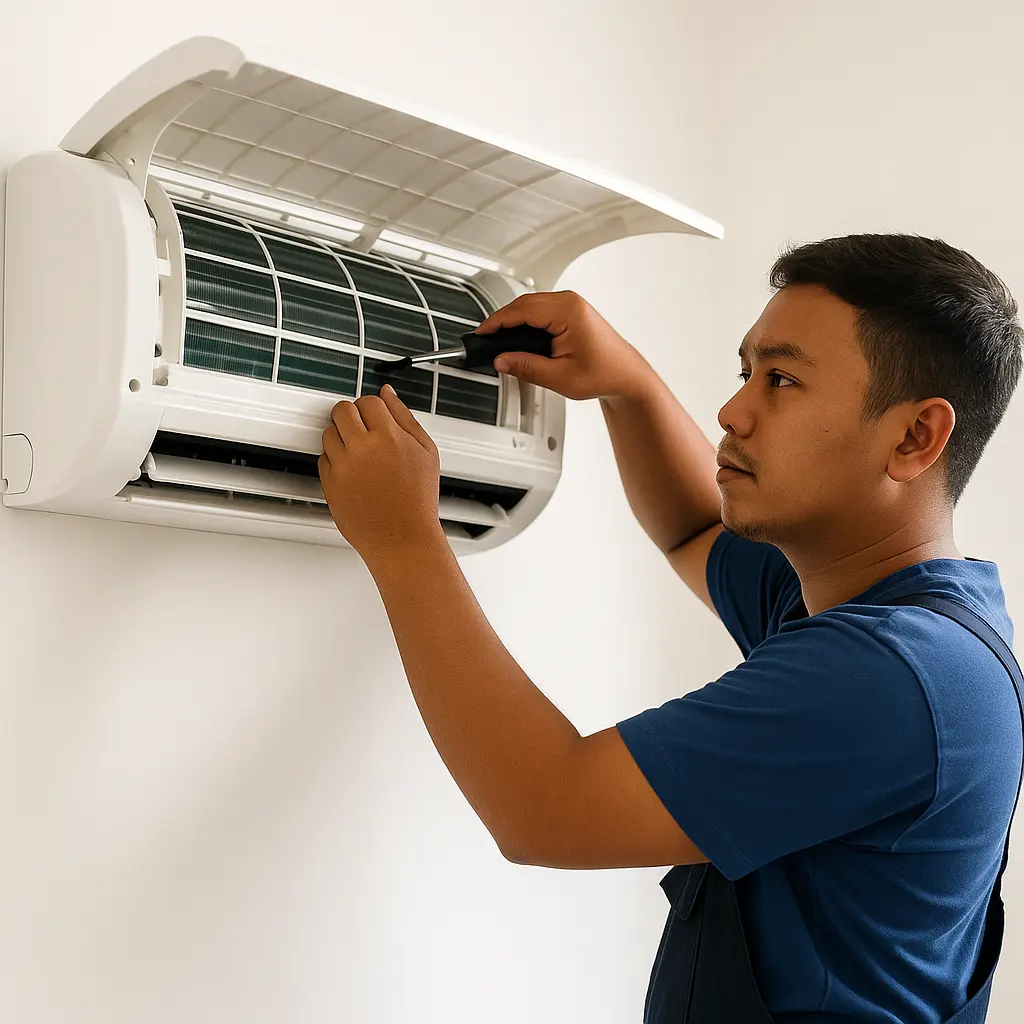
Aircond Installation Malaysia
Free 10 feet of copper pipe
Other Aircond Services Malaysia
4-Hour Express Aircond Installation & Service Malaysia. Same-day service available
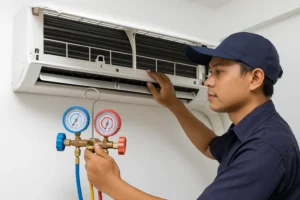
Why Your Aircond Might Need Gas Refill Every Few Months
Introduction to Aircond Gas Refilling
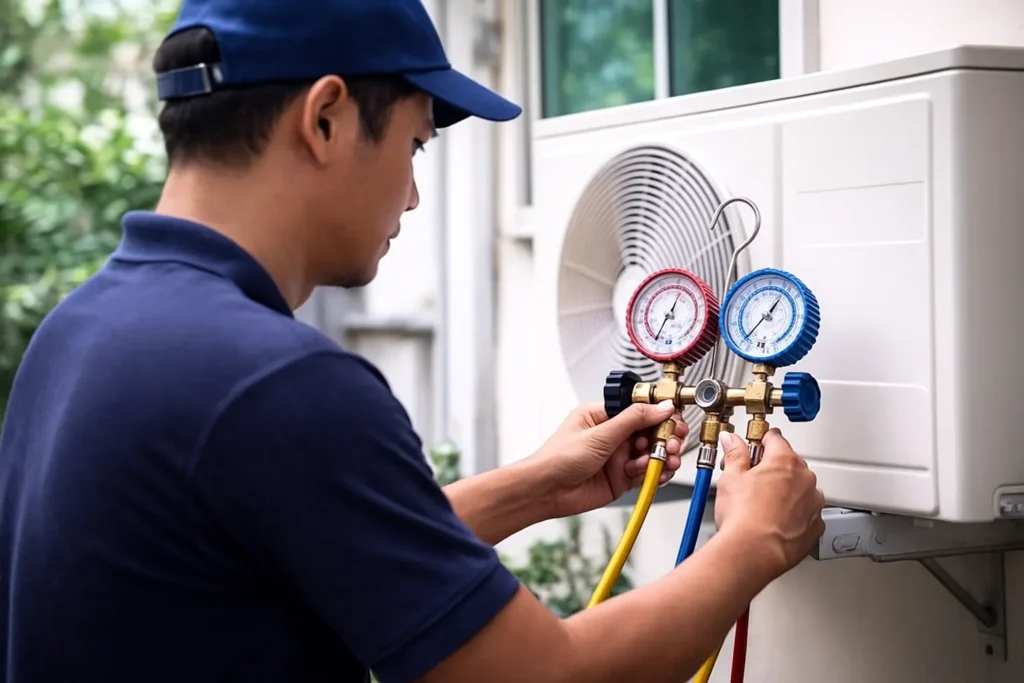
If your aircond starts losing gas every few months, it’s more than just annoying—it’s a sign that something deeper is wrong. Many people think aircond gas works like fuel and simply “runs out,” but that’s not how it works. A perfectly sealed aircond system should not need a refill for years. So if you find yourself topping up repeatedly, it’s a clear sign that the gas is escaping somewhere.
What Refrigerant Gas Actually Does
Refrigerant gas acts like the blood in your aircond system. It flows through the coils, absorbs heat from inside your home, and releases it outside. Without enough gas, the system cannot cool effectively.
Why Gas Shouldn’t Normally Run Out
Airconds are built as a closed-loop system. Refrigerant is not “used up”—it only decreases if there is a leak. When gas levels drop, there is always a cause behind it.
Common Reasons Your Aircond Keeps Losing Gas
Micro Leaks in Copper Piping
Micro leaks are incredibly common. They are tiny holes—often too small to see—that slowly release gas over time. After a few months, the drop becomes noticeable.
How Micro Leaks Happen Over Time
Micro leaks usually occur due to vibration from the compressor, temperature expansion, or natural metal fatigue. Just like a car tyre with a pinhole leak, it gradually worsens.
Loose or Worn Flaring Joints
Flaring joints connect the indoor and outdoor units. If not tightened properly or if they loosen with age, refrigerant escapes little by little. Poor installation is usually the reason.
Old or Poor-Quality Installations
If the original installer used cheap materials or rushed the job, leaks can develop within months. Bad workmanship almost always leads to repeated gas top-ups.
Corroded Outdoor Copper Piping
Outdoor pipes face harsh weather. Sun, rain, humidity, and pollution all attack copper over time.
Weather, Rain & Malaysian Humidity Effects
Malaysia’s climate speeds up corrosion. Temperatures rise and drop suddenly, causing metal to expand and contract—eventually cracking.
Damage from Renovation or Drilling
Renovation work often causes accidental punctures in aircond piping. Even a tiny hole can cause continuous gas loss.
Warning Signs Your Aircond Is Losing Gas Quickly
Aircond Feels Colder Only During Rain
If your aircond cools better during rainy days but struggles in hot weather, it’s a classic sign of low gas pressure.
Ice Forming on Indoor Coil
Low gas causes the evaporator coil to freeze. You may see frost or dripping water when the ice melts.
Hissing Sounds or Oil Stains Along Piping
Oil stains indicate leaks because refrigerant carries lubrication oil. Hissing sounds also signal escaping gas.
Why Topping Up Gas Without Fixing Leaks Doesn’t Work
Temporary Cooling vs Long-Term Damage
Refilling without fixing leaks is like inflating a tyre with a puncture. It works temporarily—but the problem keeps returning.
Increased Electricity Consumption
Low gas forces your aircond to work harder, increasing electricity bills while cooling even less.
Stress on Compressor Over Time
Running with low gas overheats the compressor—the most expensive part to replace.
Proper Leak Detection Methods
Nitrogen Pressure Test
The most accurate method. Technicians pump nitrogen to detect even micro leaks.
Soap Bubble Test
A simple method: bubbles form where gas escapes.
Electronic Leak Detector
A tool that senses refrigerant chemicals in the air.
UV Dye Test
Dye is injected into the system; UV light reveals the leak location.
Why Malaysian Homes Suffer More Gas Leaks
Thick Humidity Accelerating Corrosion
Humidity corrodes copper faster than dry climates.
Outdoor Units Exposed to Heat & Storms
Extreme temperature shifts weaken pipes and joints.
High Usage Hours Daily
Running aircond for long hours increases system wear.
What to Do If You Keep Refilling Every Few Months
If you want a full breakdown of refill pricing, gas types, and what’s included in a proper servicing package, check out our detailed guide on Aircond Gas Refill & Maintenance Packages.
Replace Affected Copper Piping
If corrosion or cracks are found, replacing the pipe solves the issue permanently.
Re-Do Flaring Joints Properly
Proper flaring and tightening prevent future leaks.
Upgrade Installation Quality
A high-quality installation saves years of trouble.
Consider Preventive Maintenance Packages
Routine servicing helps detect early issues.
How to Prevent Frequent Gas Leaks
Proper Insulation & UV Protection
Good insulation protects piping from heat and weather damage.
Avoid DIY Drilling Near Piping Routes
Always confirm pipe locations before drilling walls.
Yearly Professional Check-Up
A yearly inspection can prevent small issues from becoming expensive repairs.
Conclusion
If your aircond needs gas refills every few months, the issue isn’t the gas—it’s a leak. Whether caused by corrosion, loose joints, poor installation, or micro damage, the only permanent solution is finding and fixing the leak. Proper maintenance and quality installation will keep your aircond cooling efficiently for years while reducing electricity costs and preventing compressor failure.
FAQs
With proper installation, refrigerant can last 5–10 years without any refill.
No. Yearly refills almost always indicate a leak.
You can, but it will stress the compressor and increase electricity usage.
Costs vary based on severity. Minor leaks are cheap; full pipe replacements cost more.
No. Leak frequency depends on installation quality, not inverter technology.