
24-Hour Arrival Guarantee
Get Fast Aircond Service, WhatsApp Us And Book In Just 5 Minutes

Professional Service
CIDB Certified Technicians

No Hidden Costs
Clear Transparent Pricing

Cheapest Aircond Service
Insanely Iow Prices For Aircond Installation And Servicing In Malaysia
Guaranteed Arrival Within 24 Hours!
Aircond Leaking Water
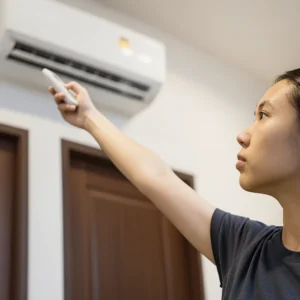
Aircond Is Running But Not Cold
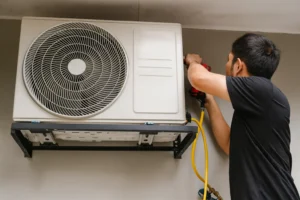
Noisy Compressor, Not Running
Not Cold? Get the Cheapest Aircond Installation & Aircond Service in Malaysia!
The most value-for-money aircond installation and servicing in Malaysia. 4-Hour Express Service.
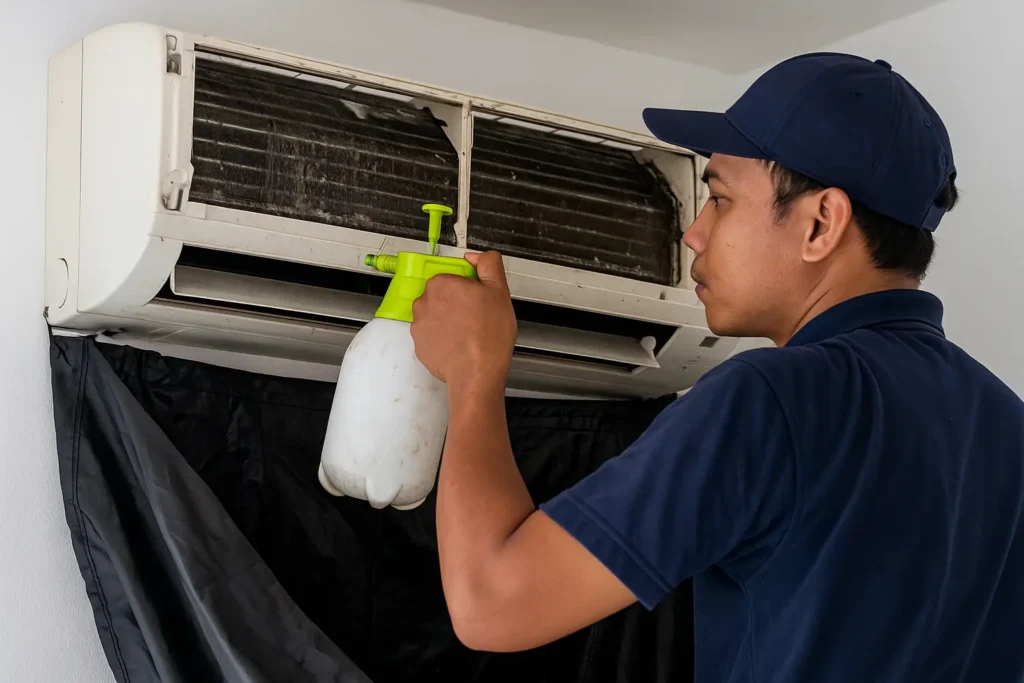
Aircond Service Malaysia
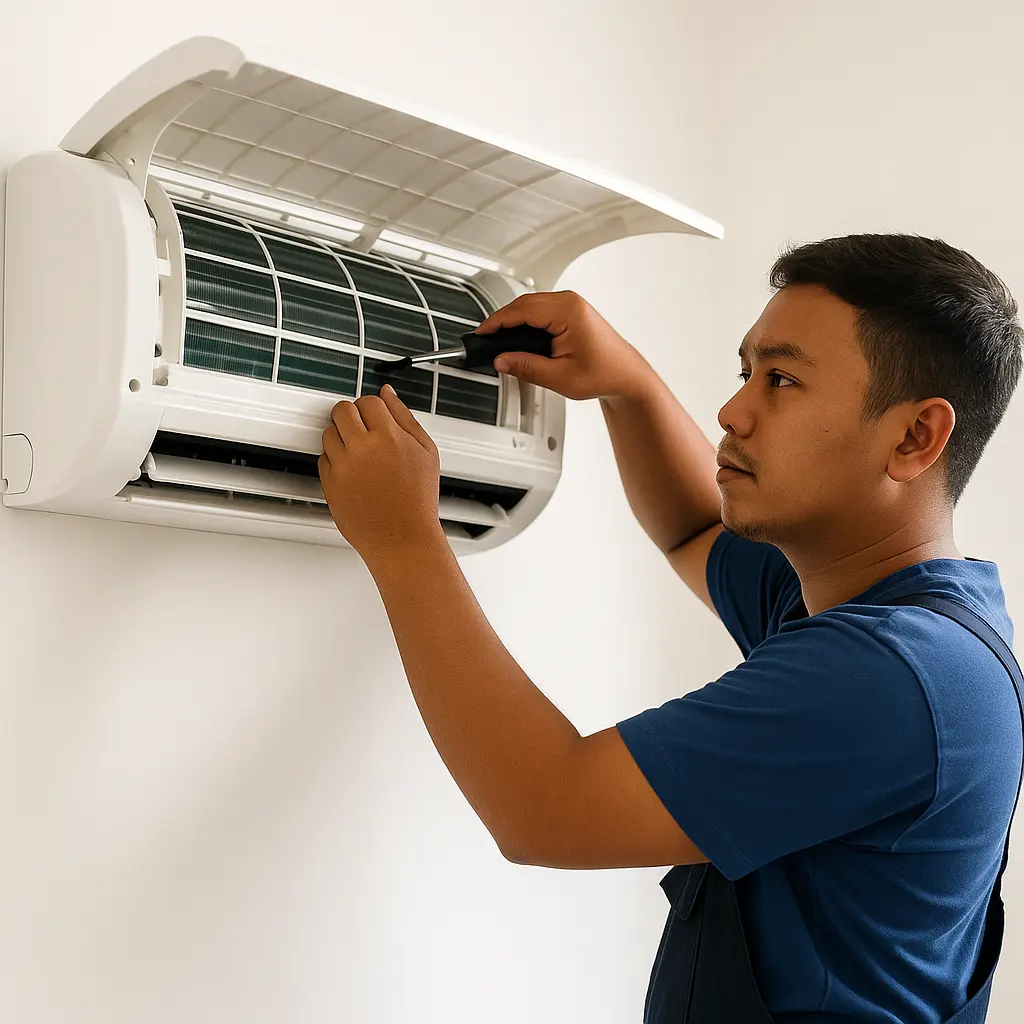
Aircond Installation Malaysia
Free 10 feet of copper pipe
Other Aircond Services Malaysia
4-Hour Express Aircond Installation & Service Malaysia. Same-day service available
Why Aircond Gas Leaks Happen & How to Prevent Them
Introduction to Aircond Gas Leaks
Aircond gas leaks are one of the most common air conditioning issues in Malaysia. Many homeowners only notice the problem when the aircond becomes less cold, but the real cause often goes unnoticed—refrigerant gas escaping slowly. A gas leak doesn’t just reduce cooling; it can also damage components and increase your electricity bill.
Why Gas Leaks Are a Serious Issue
When refrigerant levels drop, your aircond is forced to work harder to produce the same cooling effect. This stresses the compressor, reduces system efficiency, and may even lead to total failure if ignored.
What This Guide Will Cover
This article explains why aircond gas leaks happen, early warning signs, how professionals diagnose leaks, and practical steps to prevent them.
Understanding How Aircond Gas Works
What Is Refrigerant Gas?
Refrigerant gas absorbs heat from your indoor air and releases it outdoors through the condenser. Without enough gas, the cooling cycle breaks, causing poor airflow, longer cooling time, and higher energy usage.
Common Types of Aircond Gas (R22, R410A, R32)
- R22: Common in older units, being phased out
- R410A: Higher pressure, good efficiency
- R32: Most modern, eco-friendly, better heat transfer
Different gases operate under different pressures, and low pressure often indicates a leak.
Main Reasons Why Aircond Gas Leaks Happen
Poor Installation Quality
The #1 cause of refrigerant leaks is bad installation. Incorrect handling during installation can create weak spots in the piping.
Loose Joints & Improper Flaring
If the flare joint isn’t done correctly or isn’t tightened well, gas can escape slowly through tiny gaps. These micro-leaks may not be visible but cause pressure loss over time.
Wear & Tear Over Time
Even a perfectly installed aircond can develop leaks due to age.
Vibration Damage
Outdoor units vibrate during operation. Over the years, this can loosen joints or weaken the piping.
Corrosion on Copper Pipes
Humidity, moisture, and outdoor environmental conditions can corrode copper pipes from the outside or inside.
Physical Damage to Copper Piping
Sometimes leaks happen because the pipes were damaged unintentionally.
Piping Hit During Renovation
Drilling or hacking walls without knowing pipe routes can puncture or crack the piping.
Rodent Damage
Rats often chew insulation foam, and in some cases, they can even damage copper tubing.
Frozen Coils That Cause Cracks
Ice forming inside the aircond is a serious problem.
Low Airflow & Dirty Filters
Dirty filters block airflow, causing the coil to freeze. Once frozen coils expand, they can crack and cause refrigerant leaks.
Weak Compressor Performance
A struggling compressor fails to circulate gas properly, leading to freezing and potential damage.
Chemical Reactions from Moisture
Moisture inside the refrigerant line reacts with oil, forming acidic compounds.
Moisture Causing Acidic Build-up
This acid corrodes copper pipes from the inside, leading to leaks you cannot see externally.
Signs Your Aircond Is Experiencing a Gas Leak
Weak Cooling or Takes Too Long to Cool
When gas levels drop, cooling efficiency drops dramatically. Rooms take longer to cool or never reach the desired temperature.
Ice Build-Up on Pipes or Indoor Coil
Low pressure causes refrigerant to freeze, forming ice on pipes—a major warning sign.
Hissing or Bubbling Sounds
These sounds indicate gas escaping or refrigerant mixing with moisture.
Higher Electricity Bills
Your aircond runs longer to compensate for lost gas, increasing your bill.
Aircond Shuts Down Frequently
Safety sensors trigger shutdowns when pressure is too low.
If you suspect your unit is low on gas, you can also read our full guide on Aircond Gas Refill & Maintenance Packages to understand the refill process, pricing, and proper maintenance steps.
Why You Should Never Ignore a Gas Leak
Risk of Compressor Failure
The compressor is the heart of your aircond. Running the system with low gas overheats and damages it. Replacements can cost hundreds or even thousands of ringgit.
Higher Repair Costs in the Long Run
A small leak becomes a bigger one if ignored. The longer you wait, the more expensive the repair.
Reduced Air Quality Indoors
Low gas affects humidity control, making indoor air feel sticky or stale.
How Technicians Diagnose Aircond Gas Leaks
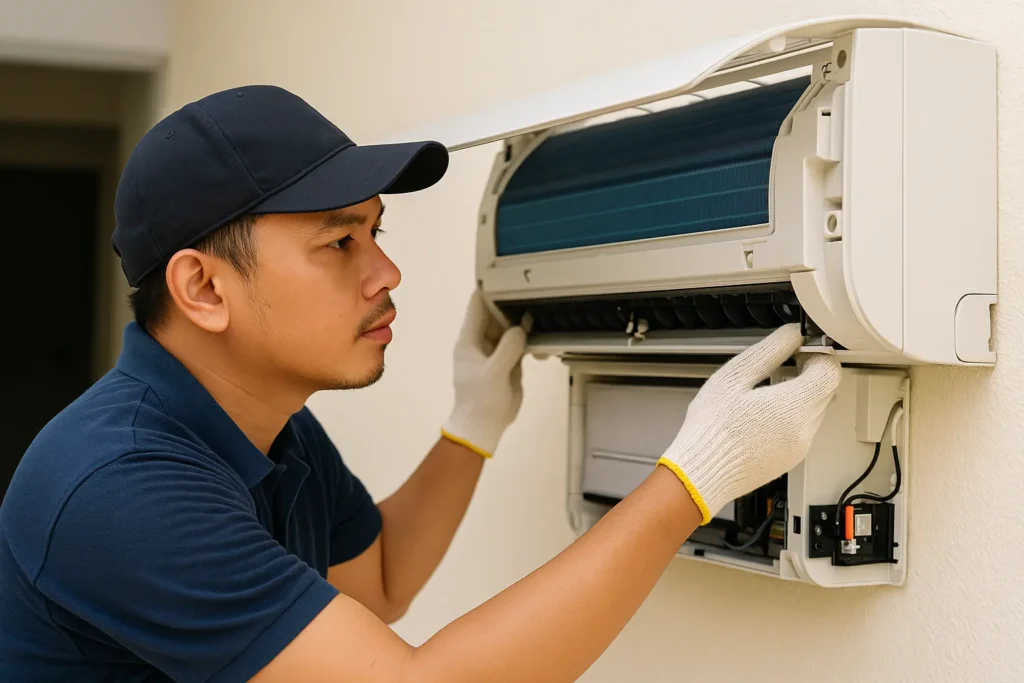
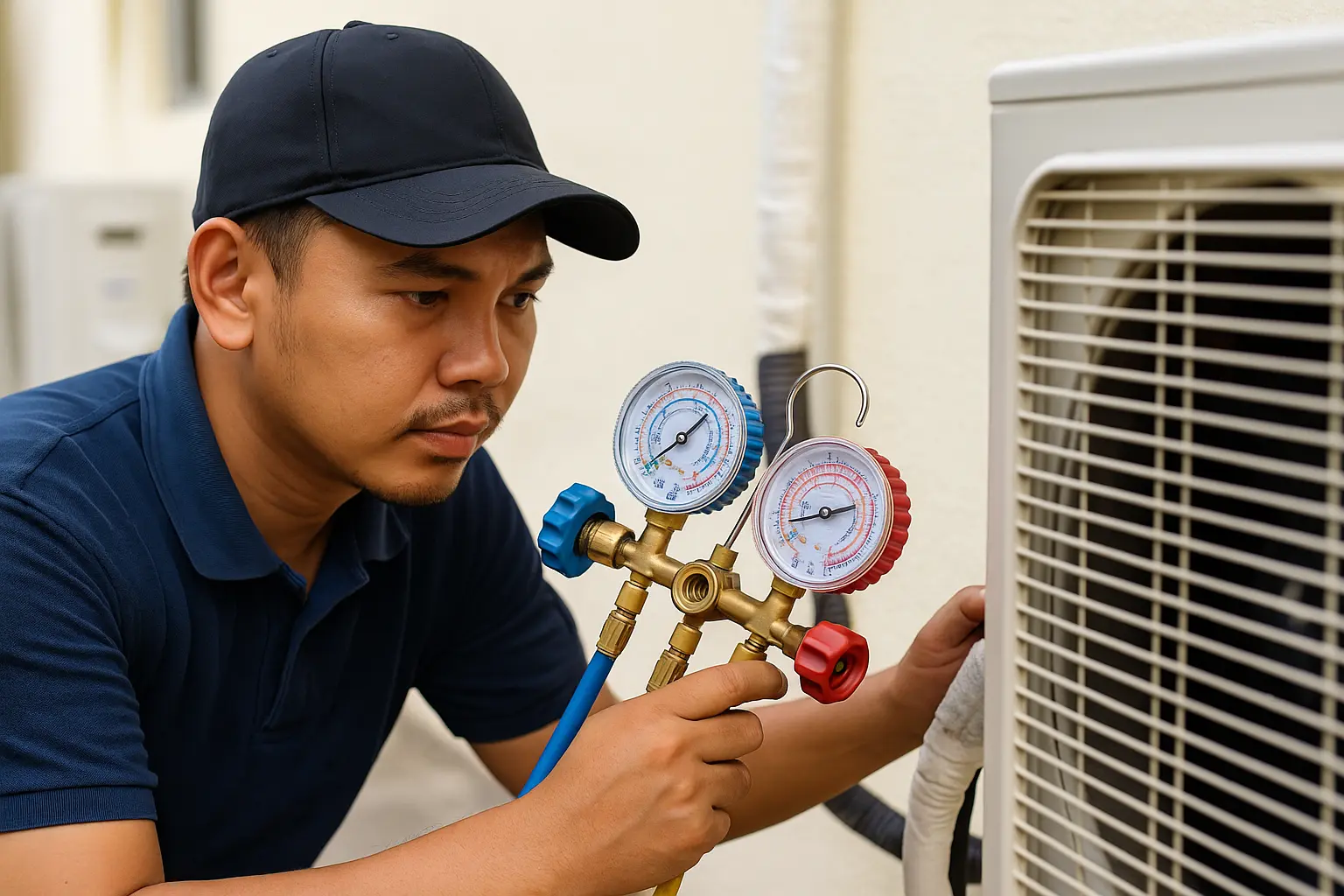
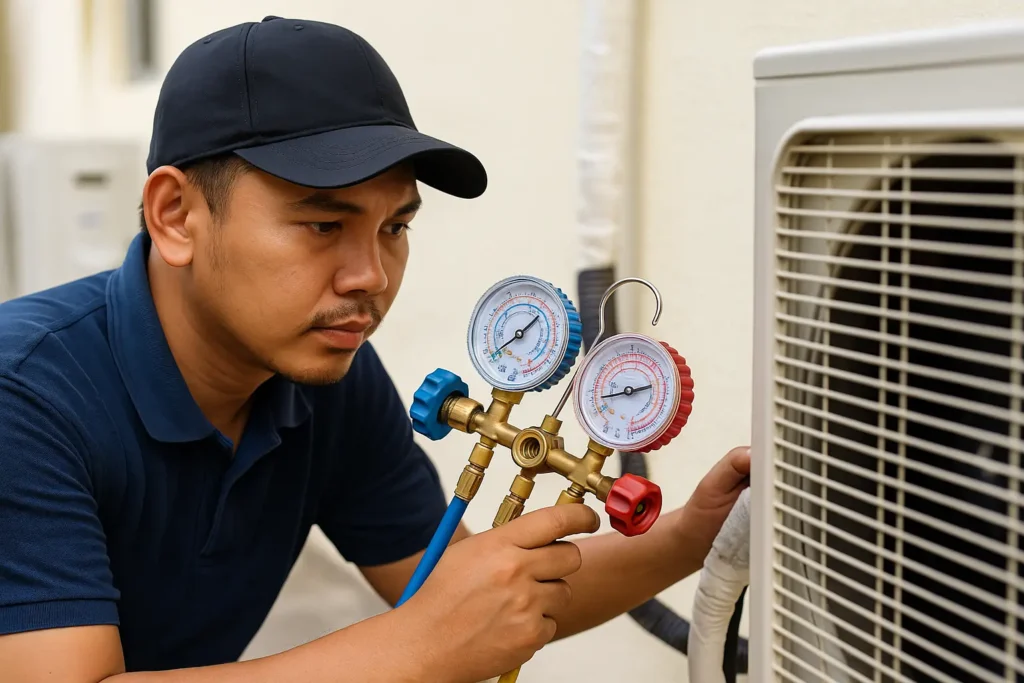
Pressure Gauge Testing
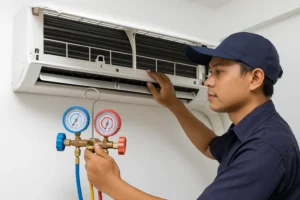
Technicians check refrigerant pressure to confirm whether levels are low.
Soap Bubble Test
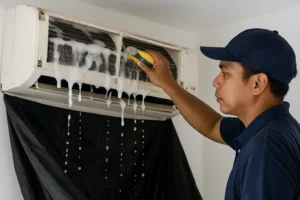
Soapy water is applied to joints and flared areas to reveal bubbles where gas escapes.
UV Dye Leak Detection
Dye is injected into the system to trace leaks using a UV light.
Electronic Leak Detector
A sensitive tool that beeps when refrigerant is detected in the air.
Professional Methods to Fix Aircond Gas Leaks
Tightening Loose Joints
Simple leaks caused by installation issues can be fixed by tightening connections.
Replacing Damaged Copper Piping
Broken, corroded, or crushed pipes must be replaced to restore proper pressure.
Re-Flaring & Welding
Technicians may cut and re-flare the pipe or weld new joints for a perfect seal.
Vacuuming the System Before Refill
Before refilling, all air and moisture must be vacuumed out. This prevents acid formation and improves cooling.
Refilling With the Correct Gas Type
Each aircond uses a specific refrigerant. Using the wrong one affects performance and safety.
How to Prevent Aircond Gas Leaks
Schedule Regular Servicing
Yearly servicing helps spot problems before they become serious.
Every 6–12 Months
Most homes should service their aircond at least twice a year, especially heavy users.
Keep Filters & Coils Clean
Dirty airflow causes frozen coils and potential cracks. Cleaning also improves efficiency.
Ensure Proper Installation From Day One
Choose experienced installers, not the cheapest ones. Proper flaring and installation reduce future leaks.
Use High-Quality Copper Piping
Low-quality pipes corrode faster and are prone to cracking.
Inspect Insulation & Piping Routinely
Look for wet spots, worn insulation, or exposed copper around your outdoor unit.
Avoid DIY Repairs
Aircond systems operate under high pressure. DIY fixes can worsen the problem or cause injury.
Cost of Fixing Aircond Gas Leaks in Malaysia
Leak Repair Cost Breakdown
- Minor leak repair: RM80–RM150
- Piping replacement: RM180–RM500+
- Re-flaring or welding: RM150–RM350
Gas Refill Price Range (R22, R410A, R32)
- R22: RM80–RM150
- R410A: RM120–RM220
- R32: RM120–RM180
Cost varies by unit size and severity of the leak.
When Repairing Is No Longer Worth It
Systems Older Than 10–12 Years
Older units naturally corrode and may require repeated refills.
Repeated Gas Leaks
If leaks keep happening, replacing the entire system may be more cost-efficient.
Choosing the Right Aircond Service Company
What to Look For
- Technicians with proven experience
- Warranty for leak repairs
- Transparent pricing
- Proper tools for leak detection
Red Flags to Avoid
- Very cheap service fees
- “Top up gas only” without checking for leaks
- No proper diagnosis done
Conclusion
Aircond gas leaks can occur for several reasons, including poor installation, corrosion, vibration, frozen coils, or accidental damage. The good news is that most leaks can be prevented with regular servicing and proper installation practices. Understanding the signs and acting early can save you money, prevent major breakdowns, and extend your aircond’s lifespan.
FAQs
At least once every 6–12 months, depending on usage.
You can, but it is risky. Low gas can damage the compressor.
No. The leak must be repaired first; otherwise, the problem returns.
It can last for many years if there are no leaks.
Improper installation, especially loose flare joints.