
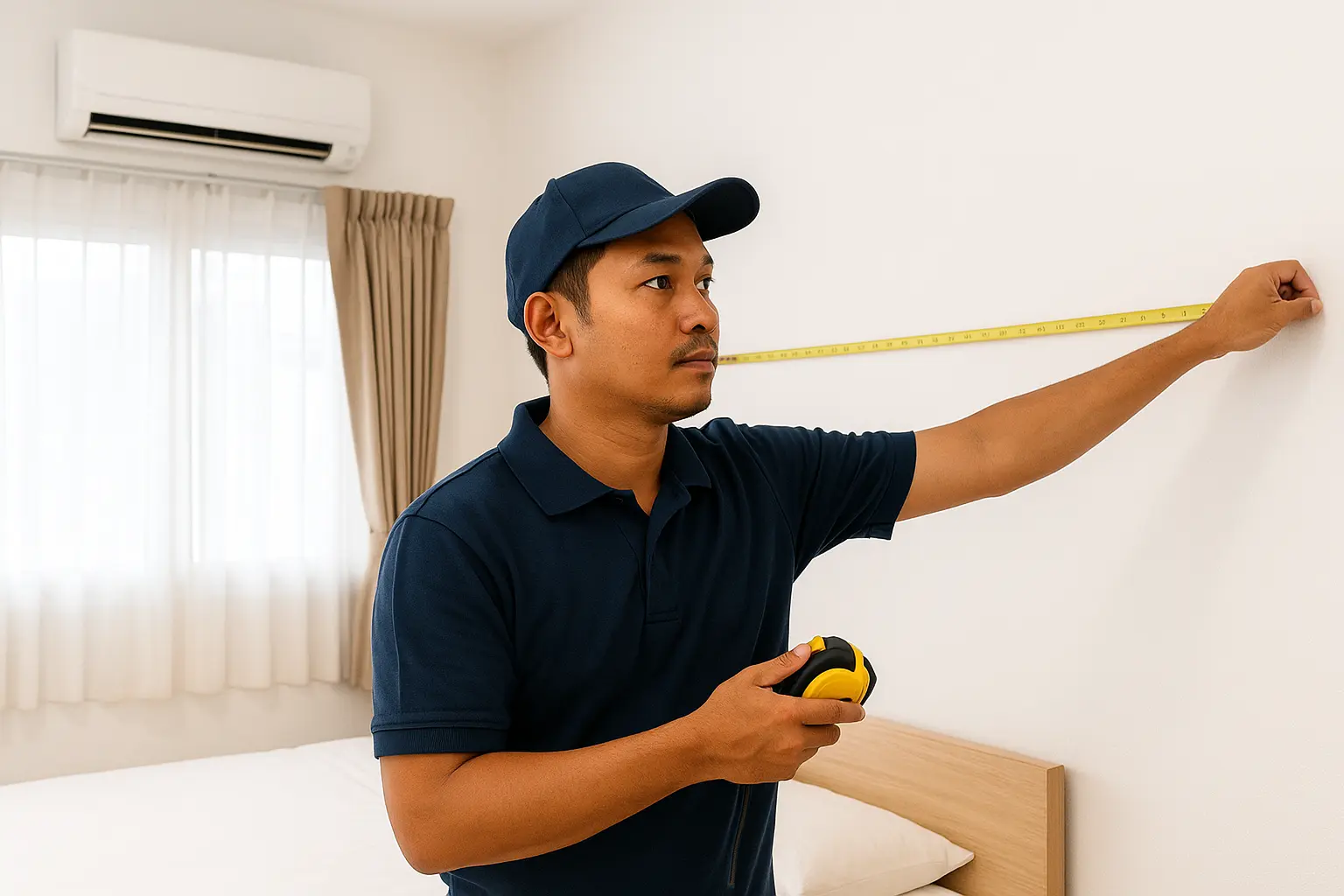
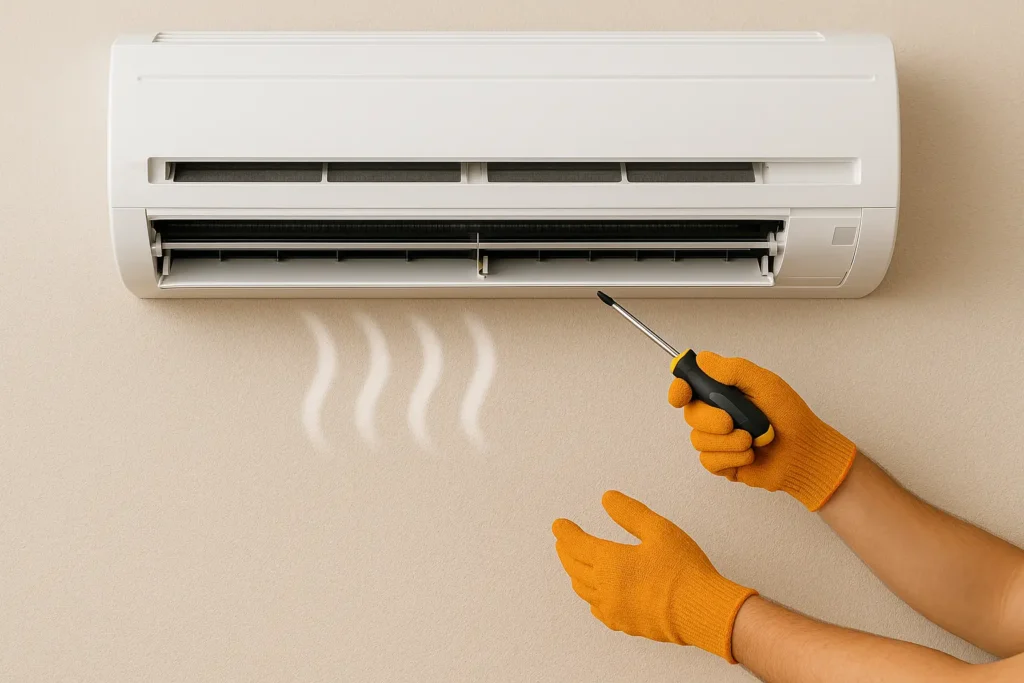

24-Hour Arrival Guarantee
Get Fast Aircond Service, WhatsApp Us And Book In Just 5 Minutes

Professional Service
CIDB Certified Technicians

No Hidden Costs
Clear Transparent Pricing

Cheapest Aircond Service
Insanely Iow Prices For Aircond Installation And Servicing In Malaysia
Guaranteed Arrival Within 24 Hours!

Aircond Leaking Water
Aircond Is Running But Not Cold
Noisy Compressor, Not Running
Not Cold? Get the Cheapest Aircond Installation & Aircond Service in Malaysia!
The most value-for-money aircond installation and servicing in Malaysia. 4-Hour Express Service.
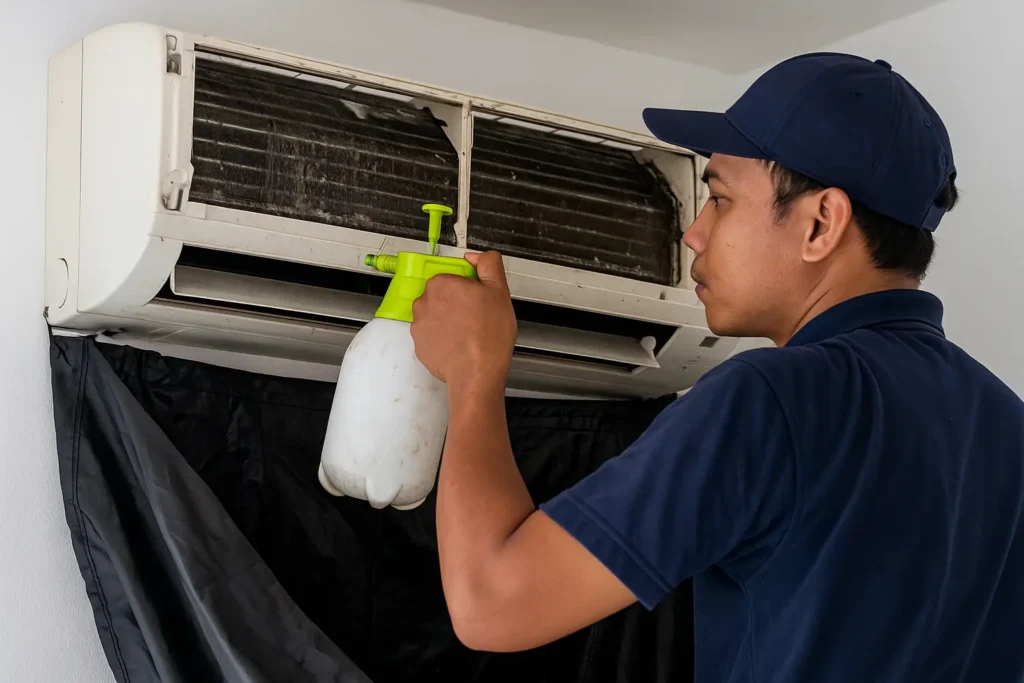
Aircond Service Malaysia
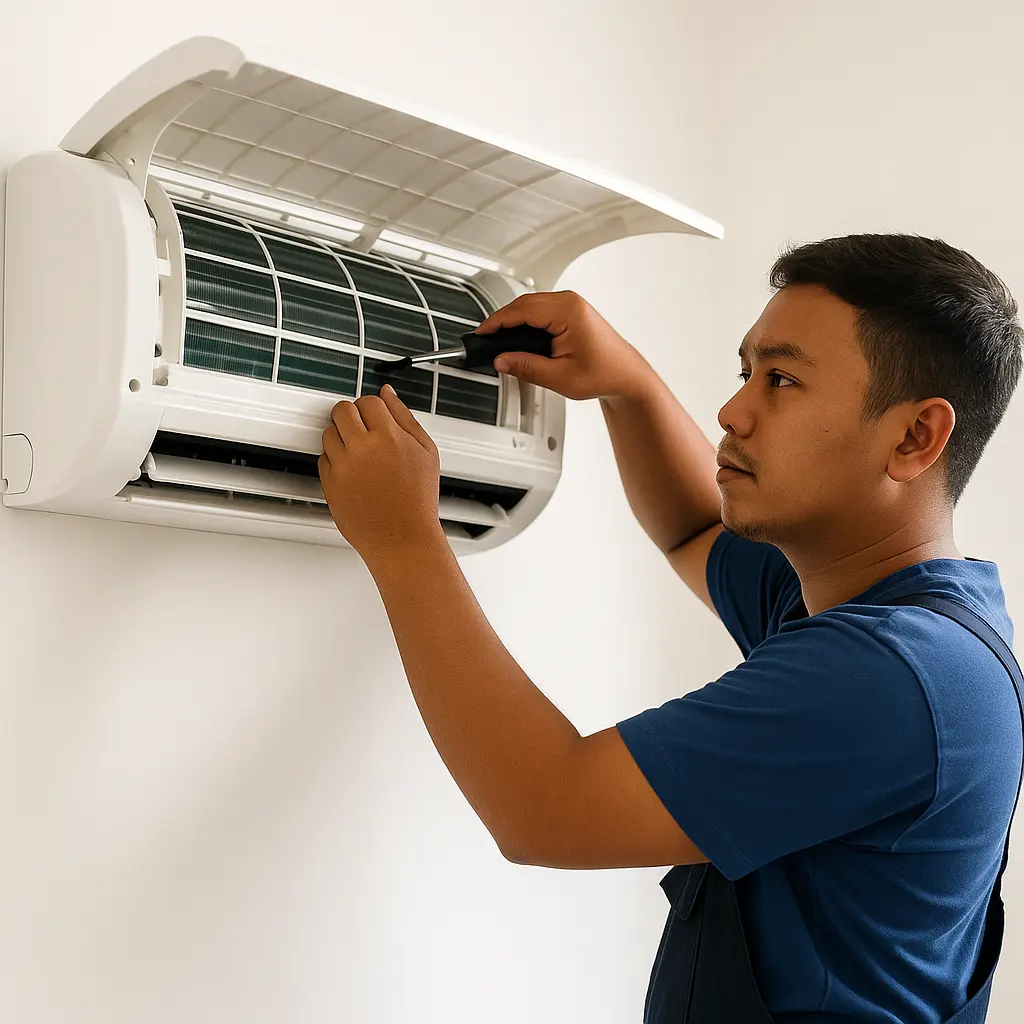
Aircond Installation Malaysia
Free 10 feet of copper pipe
Other Aircond Services Malaysia
4-Hour Express Aircond Installation & Service Malaysia. Same-day service available


How to Choose the Right Aircond Size (HP) for Your Room
Why Choosing the Correct Aircond Size Matters
Choosing the right aircond size is crucial for comfort, energy efficiency, and long-term savings. Many Malaysians buy an aircond based only on price, without considering room size or heat load—leading to higher bills and poor performance. Picking the correct HP ensures your room cools faster, stays consistent, and avoids unnecessary strain on the compressor.
Energy Efficiency
A properly sized aircond uses less electricity because it cools the room without overworking. An undersized unit keeps running nonstop, while an oversized aircond cycles too frequently.
Comfort Level & Cooling Speed
Right-sized units cool quickly and maintain stable temperatures. No hot spots, no sudden temperature drops.
Long-Term Cost Savings
When the unit is sized correctly, the compressor doesn’t get overworked, reducing breakdowns and extending lifespan.
Understanding Aircond Horsepower (HP)
What is HP in Air Conditioners?
HP (Horsepower) is a simplified way of describing cooling capacity in Malaysia. It tells you how powerful the aircond is.
HP vs BTU: What’s the Difference?
Cooling capacity is technically measured in BTU (British Thermal Units). Approximate conversion:
- 1.0 HP = 9,000–10,000 BTU
- 1.5 HP = 12,000–13,000 BTU
- 2.0 HP = 18,000 BTU
Typical HP Sizes Available in Malaysia
Common HP sizes include:
- 1.0 HP
- 1.5 HP
- 2.0 HP
- 2.5 HP
- 3.0 HP (for larger halls)
Factors That Determine the Right Aircond Size
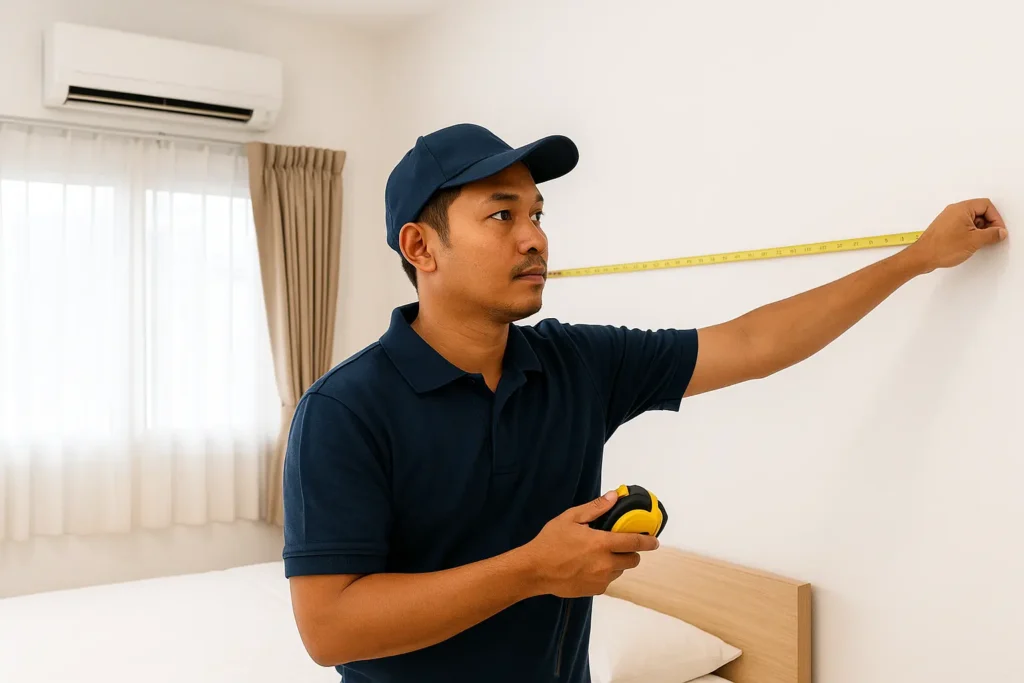
Room Size
Room area is the main factor in determining HP.
Standard HP-to-Room Size Estimates
- 1.0 HP → 100–150 sq ft
- 1.5 HP → 150–250 sq ft
- 2.0 HP → 250–350 sq ft
- 2.5 HP → 350–450 sq ft
These are general guides; other factors matter too.
Ceiling Height
Higher ceiling = more air volume = larger HP needed.
Number of Occupants
People generate heat. More people in the room requires higher cooling capacity.
Sunlight Exposure
Rooms with strong afternoon sun (especially west-facing) heat up faster. Add +0.5 HP if your room receives direct sunlight.
Room Function
Different room types have different cooling needs:
- Bedroom → low heat load
- Kitchen → high heat load from cooking
- Office → computers generate heat
- Living room → larger, more open spaces
Number of Electrical Appliances
TVs, PCs, lights, and fridges add heat load.
Insulation & Room Layout
Poor insulation or many windows increases heat inside the room.
How to Calculate the Right Aircond Size
Basic BTU Formula
Use this formula:
Room area (sq ft) × 60 BTU
Example: 150 sq ft × 60 = 9,000 BTU → around 1.0 HP
Simplified Malaysian Rule-of-Thumb
1 HP = 100–150 sq ft
This method is commonly used by installers in Malaysia.
Example Calculations
- 120 sq ft bedroom → 1.0 HP
- 220 sq ft living room → 1.5 HP
- 350 sq ft hall → 2.5 HP
- 100 sq ft kitchen → 1.5 HP (because of cooking heat)
Recommended Aircond HP Based on Room Type
For homeowners choosing the right HP but also planning to install a new unit, learn more about proper setup in our guide on professional aircond installation in Malaysia.
Bedroom
- Small (100–150 sq ft): 1.0 HP
- Medium (150–200 sq ft): 1.5 HP
Living Room
Living rooms are open and larger:
- Small: 1.5 HP
- Medium: 2.0 HP
- Large: 2.5–3.0 HP
Kitchen
Minimum 1.5 HP due to cooking heat.
Office Room
- Small office: 1.0–1.5 HP
- Multi-person office: 2.0 HP
Small Shop or Commercial Space
Commercial space usually requires a minimum of 2.0 HP.
Signs You Chose the Wrong Aircond Size
Indicators of Undersized Aircond
- Room never gets cold enough
- Aircond runs continuously
- High electricity bills
- Compressor wears out faster
Indicators of Oversized Aircond
- Room becomes cold too fast
- Humidity remains high
- Temperature fluctuates
- Higher upfront cost
Tips to Maximize Cooling Efficiency
Positioning the Indoor Unit
Place the indoor unit where cool air can spread evenly. Avoid blowing directly at your face when sleeping.
Regular Aircond Servicing
Dirty filters reduce cooling efficiency by up to 30%. Clean every 3–4 months.
Using Curtains or Blinds
Reduce sunlight heat by blocking direct rays.
Proper Room Sealing
Close all gaps and doors to prevent cool air from escaping.
Choosing Inverter vs Non-Inverter
- Inverter → saves electricity, quieter
- Non-inverter → cheaper but less efficient
Common Mistakes When Choosing Aircond Size
Ignoring Room Sunlight
Strong sunlight drastically increases heat.
Underestimating Heat-Producing Appliances
Electronics contribute significant heat.
Choosing the Cheapest Option
The cheapest unit may be too weak for long-term comfort.
Not Considering Future Uses
If the room will become an office or gaming room, consider upsizing.
Conclusion
Choosing the right aircond size ensures comfort, reduces electricity bills, and extends your aircond’s lifespan. By considering room size, sunlight, appliances, and heat load, you can confidently select the correct HP for your home or office. When unsure, it’s always safer to go slightly higher than risk an undersized aircond that struggles daily.
FAQs
Yes, if the room is 100–150 sq ft without strong sunlight.
Yes, it cools too quickly, causing humidity problems and inconsistent temperatures.
Yes, strong sunlight increases heat load and may require +0.5 HP.
Inverter is more efficient and saves more electricity in the long run.
Every 3–4 months for homes; monthly for heavy-use environments.